
24x7 Available


Practical tips, safety guides, and expertise from licensed electricians in Sydney.

Realising your house needs rewiring is never a pleasant surprise, and plenty of us have no clear idea whether our home is due for it. The upside: spot the signs early and you'll usually save money. So let's get into the nitty-gritty of how much does it cost to rewire a house in Sydney and whether you need to. Rewiring a house can cost somewhere between $4,000 and $15,000 or more, depending on the size of your home, the location, the condition of the existing wiring, and whether your switchboard needs upgrading.
A full rewire replaces the old electrical cabling running through your walls, ceiling and floor with new, compliant wiring. The job covers new powerpoints and light switches, fresh cabling for every circuit, and often a switchboard upgrade. A local electrician in Sydney also tests and issues a CCEW (Certificate of Compliance for Electrical Work) as legal proof in NSW that the work meets the wiring standard under Australian Standard AS/NZS 3000.
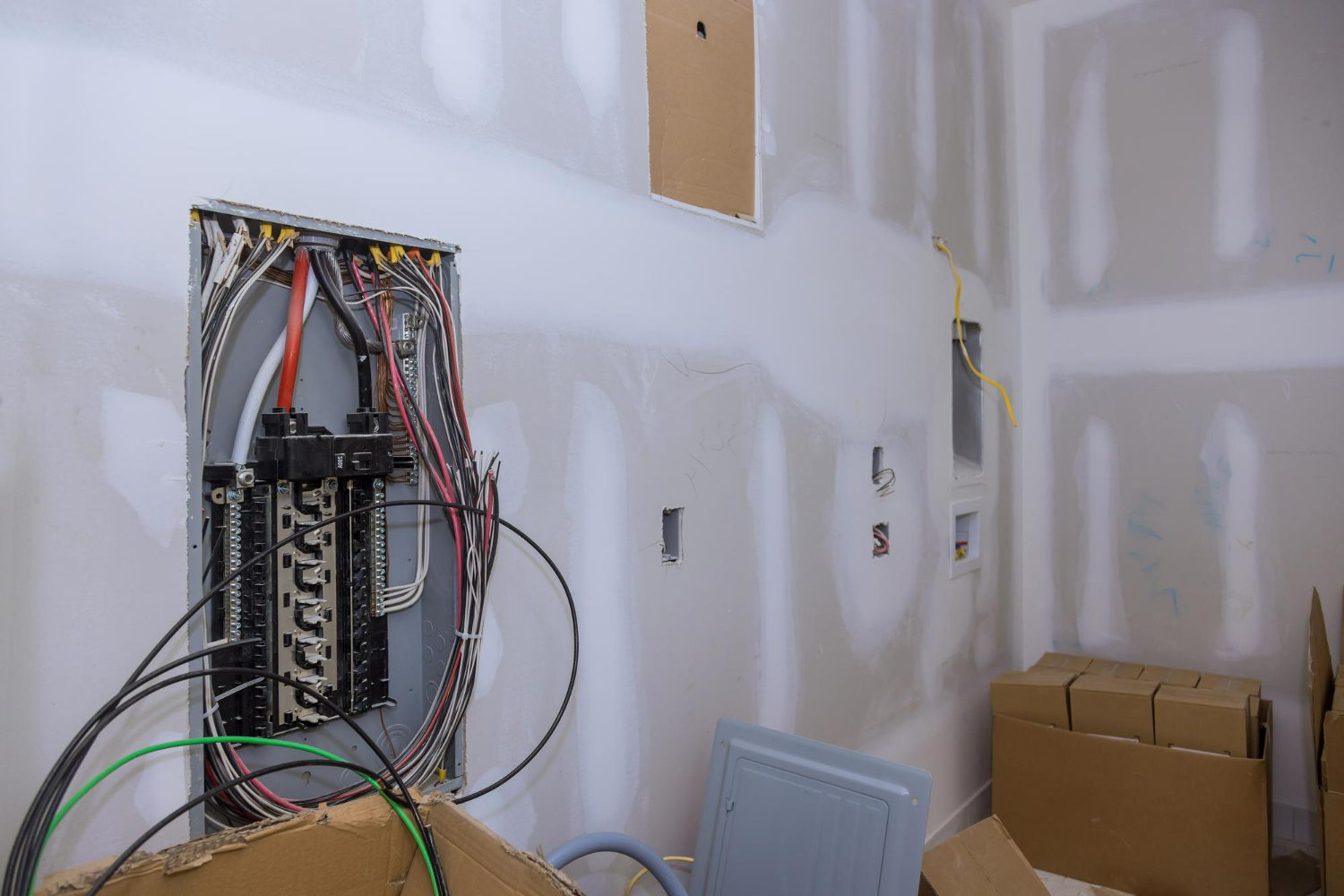
Right here in Sydney, home rewiring costs $4,000 to $15,000 or more, depending on the size of your home and the condition of the existing wiring. If your switchboard needs upgrading, the cost increases. Here's a rough guide by home size:
A switchboard upgrade usually adds another $1200 to $2,500. Our cost to rewire a 3 bedroom house guide further breaks down what causes house rewiring costs to fluctuate and how to read a quote so you know you're paying a fair rate.
No two homes cost the same to rewire. As such, every single quote varies, particularly if your electrician pays attention to detail. The most common factors that drive the price of home rewiring in Sydney include:
As a rough rule, labour makes up around 50–70% of a rewire, with materials and certification making up the rest. That's worth knowing when you compare quotes to understand how much it costs to rewire a house.
These two things tend to surprise homeowners in Sydney.
Your switchboard is problem number one. If it still runs on ceramic fuses with no safety switches, it’ll need upgrading to bring the home up to standard before carrying new circuits.
Asbestos; that’s problem number two. A lot of older Sydney switchboards sit on asbestos backing panels, and some homes have asbestos in the walls. If it's found, it has to be removed safely by a licensed professional, which adds to the cost.
The good news: a reputable sparky will flag these issues before the work starts and not spring it on you halfway through the job. In case your electrician fails to check these issues before quoting how much it costs to rewire a house, make sure you ask questions.
It's common to get two quotes on the same house that differ by thousands of dollars, which makes it hard to know what's fair. The trick is to compare what's included rather than focusing only on the final number. A clear quote should spell out:
If a quote is just one lump sum with no detail, ask for it to be itemised. At Impulse Electrical Enterprise, we recommend what your home needs in detail. A fair, upfront quote should leave you with no surprises.

Not sure whether you need a rewire? These are the warning signs worth acting on:
It's also worth knowing that old or faulty wiring can affect your home insurance. Some insurers won't renew a policy, or may reduce a claim, if wiring is unsafe.
A 3-bedroom full rewire takes around 3 to 7 days. Power is usually cut only to the area being worked on during the day and restored each evening, so most people are able to stay living in the home while it's done. For a step-by-step look at what happens, see our guide on how do electricians rewire an old house.
Is it worth rewiring an older home?
Usually yes. Beyond safety, up-to-date wiring protects your insurance, supports modern appliances, and adds value if you sell. For most older Sydney homes, it's money well spent.
Do I need council approval to rewire?
For a standard rewire, generally no. But heritage-listed homes that are common across the Inner West can have extra requirements, so it's best to check with a licensed electrician first.
Can I rewire a house in stages?
Yes. A partial rewire lets you tackle the most urgent circuits now and the rest later, which is a practical way to spread the cost.
Does home insurance cover rewiring?
Usually not. Insurance tends to cover sudden, unexpected events. This does not include the gradual wear of old wiring. In fact, wiring that's past its life can put your cover at risk, which is another reason to stay on top of it.
We're your local Inner West sparkies, fully licensed and insured, with upfront pricing and no hidden fees. If you'd like to know what a rewire would cost for your home, get in touch for a free, no-obligation quote. We'll explain everything clearly before any work begins.

Old houses are packed with generations of nostalgia. But that’s not just it. There’s also old wiring. Old wiring in Sydney homes, particularly those built before the 1980s, poses critical risks like electrical fires, electrocution, and voided insurance policies. As uncomfortable as it is to picture your home with holes in walls and no power while a stranger tramps through the house, you need to rewire it quickly to make sure you and your loved ones are safe. So, how do electricians rewire an old house? Let's go through the steps, one by one.
Every rewire starts with a proper look. Your electrician checks the existing wiring, the switchboard, how the cable runs through the house, and what condition it's all in. In older Sydney homes this is where the problems show up in VIR (rubber) cable, cloth-insulated wiring, or an ageing ceramic fuse board. All these details are included in your quote after your electrician inspects the house.
This step is more important than when the electrician starts working. If you plan the process correctly, you’ll save money. Depending on the budget, you can even rewire the house in stages as partial rewires.
But this is also the moment to think ahead. Since an electrician will be opening up the walls for the rewiring process, it’s easier and less expensive to add extra plug points, data cabling, or capacity for things like an EV charger down the track.
Planning how to rewire an old house should be done with your electrician’s input so you know exactly what the building is able to handle. Old homes need extra care.
You are most probably worried about having to tear down the walls. But that’s not how it goes. Rather than cutting long channels through every wall, electricians "fish" the new cable through existing wall and ceiling cavities, feeding it through the gaps that are already there. That’s less of a mess than you would have pictured when you first heard that your old house must be rewired.
Do note that some access holes are unavoidable, especially in double-brick Inner West homes where there's no space for the cable to hide. However, an experienced electrician in Sydney keeps these small to avoid damage wherever possible.
Once the new circuits are run, they're connected to the switchboard. In an old house in Sydney, this almost always means an upgrade, swapping tired ceramic fuses for modern circuit breakers and RCDs (safety switches), which are now the standard. If there's asbestos backing behind the old board, which is common in older Sydney homes, it has to be removed safely by a licensed professional first. Again, a reputable electrician will flag this at the inspection rather than informing you abruptly out of nowhere.
With everything connected, the new wiring system is tested to make sure it's safe and working as it should. Your electrician then issues a CCEW (Certificate of Compliance for Electrical Work).
This is a mandatory legal document issued by a licensed electrician upon completing home rewiring in Sydney. It certifies that the rewiring meets Australian Standard AS/NZS 3000 and NSW regulations. Hang onto it; it matters for insurance and if you ever sell.
A full rewire takes around 3 to 7 days, depending on the size and age of the house and how tricky the access is. The biggest relief is that you can usually keep living there. Power is cut only to the area being worked on during the day and switched back on each evening.
Make sure you discuss what to expect when rewiring the house with your electrician before getting started. Old homes should be paid special attention and might have different requirements. Getting clarified ahead of time helps both the sparky and the residents prepare.
Older houses simply hold more unknowns, brittle cable, asbestos, materials that have shifted over decades, and tighter access. That's not a reason to dread it; it's the reason to get electrical services from an electrician who has done plenty of them before.
We're your local Sydney electricians, fully licensed and insured, and we've rewired plenty of the area's older homes. If yours is due, get in touch for a free, no-obligation quote and we'll walk you through exactly what's involved before we start.

A lot of Sydney's three-bedroom homes were built decades ago, which means a lot of them are overdue for a rewire. If yours is one of them, the first question we hear is “what's this going to cost me?” and it’s fair enough. So let's get straight to the numbers on the cost to rewire a 3 bedroom house.
For a standard 3 bedroom house in Sydney, a full rewire usually lands between $6,000 and $9,000. That covers new cabling for every circuit, fresh powerpoints and light switches, testing, and a CCEW (Certificate of Compliance for Electrical Work).
This range moves around for a few reasons. A neat 1990s brick-veneer home with easy roof access sits at the lower end. A pre-1960s home in Balmain or Glebe with old VIR (rubber) cable, double-brick walls and tight cavities sits at the upper end because the cable is harder to run and there's more of the old components that need to be removed safely. Add a switchboard upgrade and you're looking at another $1,200 to $2,500.
It's not unusual to get two quotes on the same three-bedroom house that differ by tens of thousands. We've seen homeowners quoted $35,000 for a job that another sparky would do for a third of that. So what's going on?
Usually it comes down to what's being counted. A higher quote might include a full switchboard upgrade, asbestos removal, extra power points in every room, data and TV cabling. A lower quote might be wiring only, with all of that listed as “extra”. Neither is necessarily dodgy, but if you compare the bottom-line numbers without going through the details, you'll compare two completely different jobs.
That's why itemised quotes matter so much.
It important to see where your money goes and a fair quote will provide all the details:
This is the best thing you can do to manage the cost to rewire a 3 bedroom house. A partial rewire lets you tackle the most urgent circuits first. It's a practical way to spread the cost without ignoring a safety issue. A reliable sparky will tell you what you need to repair immediately and what can wait.
A Sydney electrician’s tip: if you're already renovating, rewire the house completely then. The walls and ceilings are open already. So access is easy and you avoid paying twice to cut into and patch up the same plaster.
Every three-bedder is a little different, so the only way to know your real number is to have someone take a look. We're your local Inner West and Sydney electricians for the job. Send an inquiry to get your quote or call us at 0481 228 836 for more information.
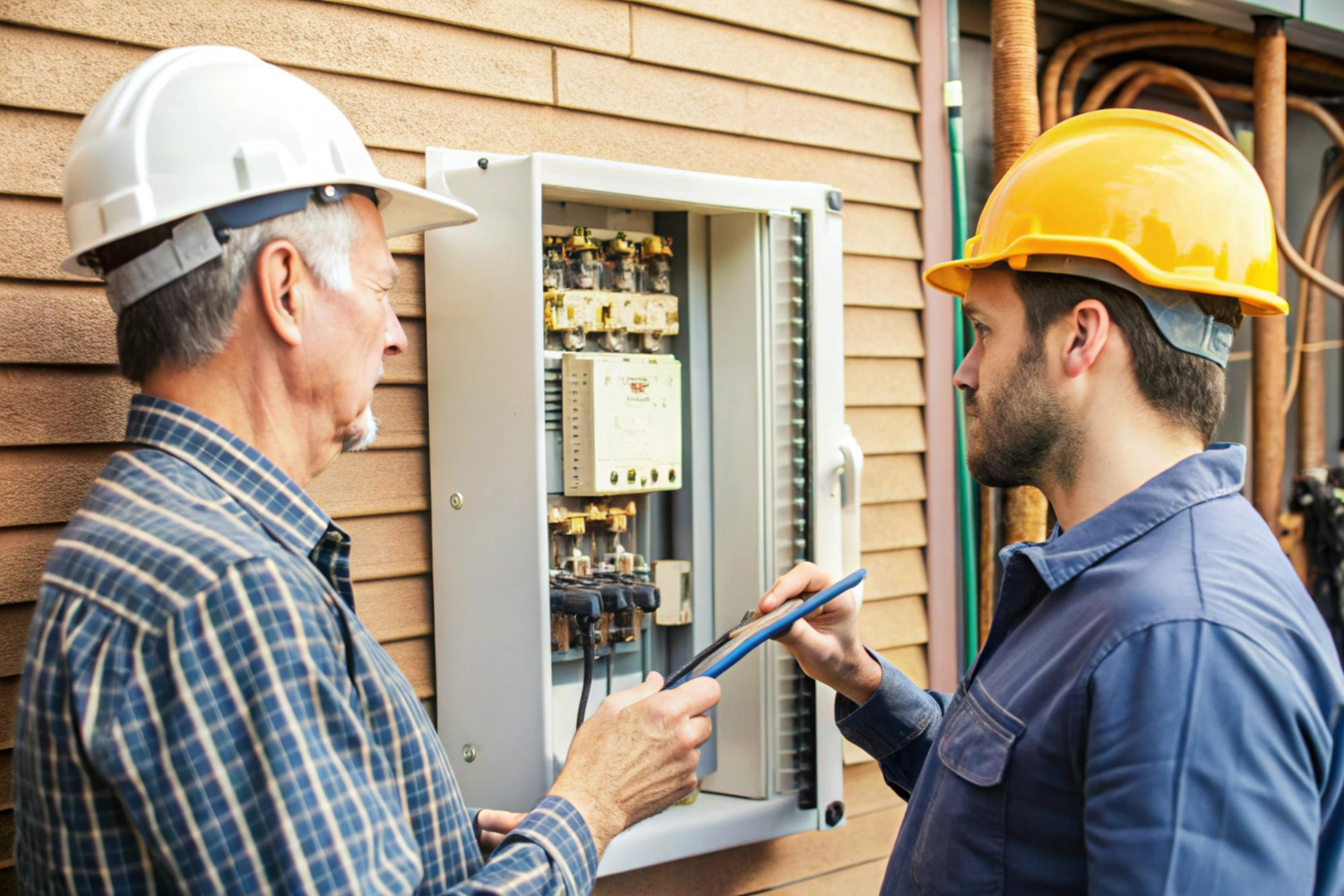
Having to replace your switchboard brings up the inevitable cost factor. What’s frustrating is that electricians quote in a variety of ways, and you simply can’t figure out who is right. If you are comparing switchboard replacement quotes in Sydney, knowing what a proper quote should include from a licensed electrician will be a good starting point.
This article discusses what a compliant switchboard replacement in Sydney must contain, what ours costs, and new compliance changes in 2026 that affect your quote.
Although a switchboard replacement sounds like swapping the panel, it’s never that simple due to regulations that licensed electricians follow.
Under AS/NZS 3000:2018 Clause 2.6.3.2.5, once work begins on a switchboard, every circuit must be brought up to current standards. That means the following are legal requirements of the job:
If a quote for a switchboard replacement in Sydney does not include all these, it is not a compliant job. And if an electrician sells them to you as added benefits of replacing your switchboard, they’re misleading you.
From 1 July 2026, handwritten and PDF compliance certificates are no longer accepted in NSW. All CCEWs must be submitted digitally via the BCNSW eCert portal. Failure to provide one carries a $1,000 on-the-spot fine.
It is a small detail, but it matters a lot when you are comparing quotes for a switchboard replacement. Ask any electrician you are considering whether they submit CCEWs through the eCert portal. Most will say yes. Some will not know what you mean.
At Impulse Electrical Enterprise, a switchboard replacement in Sydney starts at $1,200 and reaches $4,000+ depending on the number of circuits, the condition of existing wiring, and whether asbestos removal is required before the electrical work can begin.
Every job includes:
We quote in person where possible. For properties where access is difficult, our licensed and fully insured electricians can provide a preliminary price remotely via photos or a video walkthrough. The final price may adjust if the site inspection reveals something the photos did not, but we will always keep you informed.
Homes built before the mid-1980s, particularly terraces and semis common across Strathfield, Burwood, Leichhardt, and Marrickville, sometimes have asbestos backing boards. Licensed asbestos removal must happen before the switchboard replacement can begin.
A quote that does not flag this on a pre-1985 property is either uninspected or incomplete. We identify it during the assessment and manage the process. It adds to the cost. However, it is not negotiable under NSW law.
Call 0481 228 836 or request a quote online. We assess the switchboard and give you a fixed price before any work begins.
Lifetime workmanship warranty on all labour. Available 24/7 for emergencies. Serving Sydney's Inner West and surrounding suburbs.
A 3 phase switchboard upgrade in Sydney sits in the top pricing tier of switchboard upgrades. So before you commit to that, it is worth understanding what you are buying and whether single-phase supply with the right upgrade could do the same job for less. We have this conversation often. Someone has been told they need three-phase by a solar company, an EV charger installer, or another electrician, and they want a second opinion before spending around $8,000.
Most Sydney homes don’t need three-phase power with the correct switchboard configuration even if you have a lot of equipment.
A home adding a 7kW EV charger alongside existing solar and a new ducted system but not running all three at peak capacity at the same time is almost certainly fine on single-phase power.
On the other hand, if you want to run the charger, the HVAC, a pool heat pump, and workshop equipment at the same time, almost every day, you can no longer rely on single-phase.
If you have been told you need three-phase and you are not sure why, that is worth asking directly before any work is quoted.
An electrician might have told you to get three phase and given no explanation. Always get a second opinion before proceeding.
Three-phase changes how electrical load is distributed across a property. Instead of everything pulling from one supply, the load spreads across three. That matters when demand is so high that single-phase supply becomes the limiting factor. In this case, it’s not a safety issue, but a performance ceiling.
In our experience, the properties where a 3 phase switchboard upgrade genuinely earns its cost tend to share three things:
When we see such conditions, a 3 phase switchboard upgrade is necessary to avoid an electrical emergency.
At Impulse Electrical Enterprise, a three phase switchboard upgrade is around $7,000–$11,000+. The variation is real.
Network provider approval from Ausgrid or Endeavour Energy is required before work begins and is part of the cost.
Level 2 mains connection work, which only a Level 2 accredited electrician can perform, is another component. We hold that accreditation, so there is no subcontractor involved.
For the switchboard itself, we use Hager protection devices and B&R enclosures. Every circuit then gets remapped and balanced across all three phases. That redistribution is included in the quote, same as everything else.
All labour carries a lifetime workmanship warranty. A Certificate of Electrical Safety is issued and lodged within seven days of completion.
Call 0481 228 836 or request a quote online. We will tell you whether a 3 phase switchboard upgrade is the right answer for your property or whether a single-phase upgrade solves it for less.
Available 24/7 for emergencies. Serving Sydney's Inner West and surrounding suburbs.
The electrical switchboard upgrade cost in Sydney starts at $1,200 and can reach $11,000. The price varies across three tiers depending on your board's age, your circuit count, and what you're planning to add.
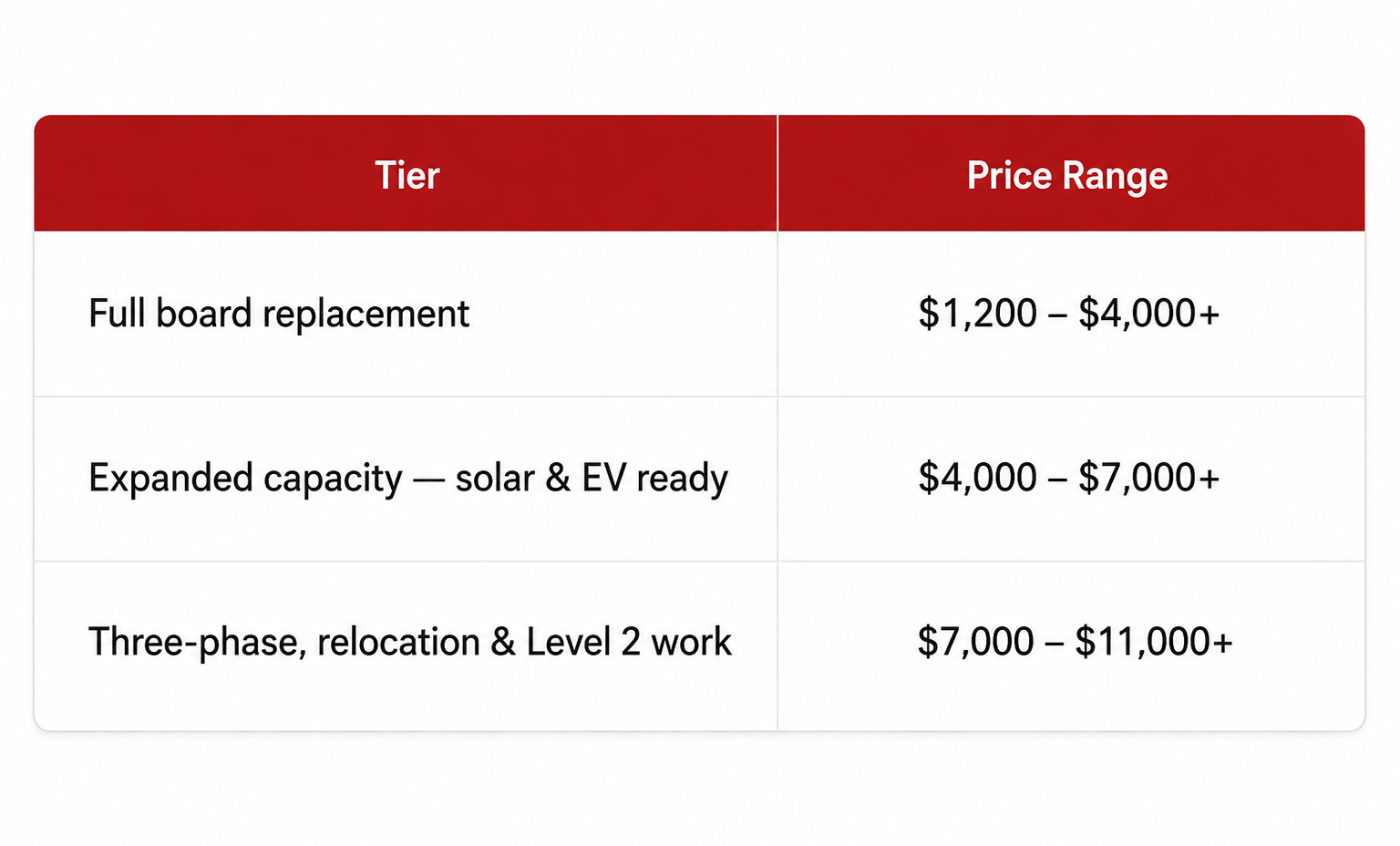
If you've already been told your switchboard needs upgrading by another electrician or a solar installer, this guide explains exactly what you'll be paying for at each tier. And if you want to understand what separates a compliant job from a cheap one, the section on low quotes covers that too.
Most people looking up this question online already know the answer. Another electrician or solar installer has flagged the board. But if you're still deciding, these are the signs that move it from optional to urgent:
Ceramic fuses instead of circuit breakers. No RCD safety switches, or fewer than two. Frequent tripping when multiple appliances run at once. Flickering lights when the oven or air conditioning kicks in. A burning smell or scorch marks near the board. A board that hasn't been assessed in over 20 years.
Any one of these is worth getting a licensed electrician to look at. More than one problem means your electrical problem is probably an emergency in the making.
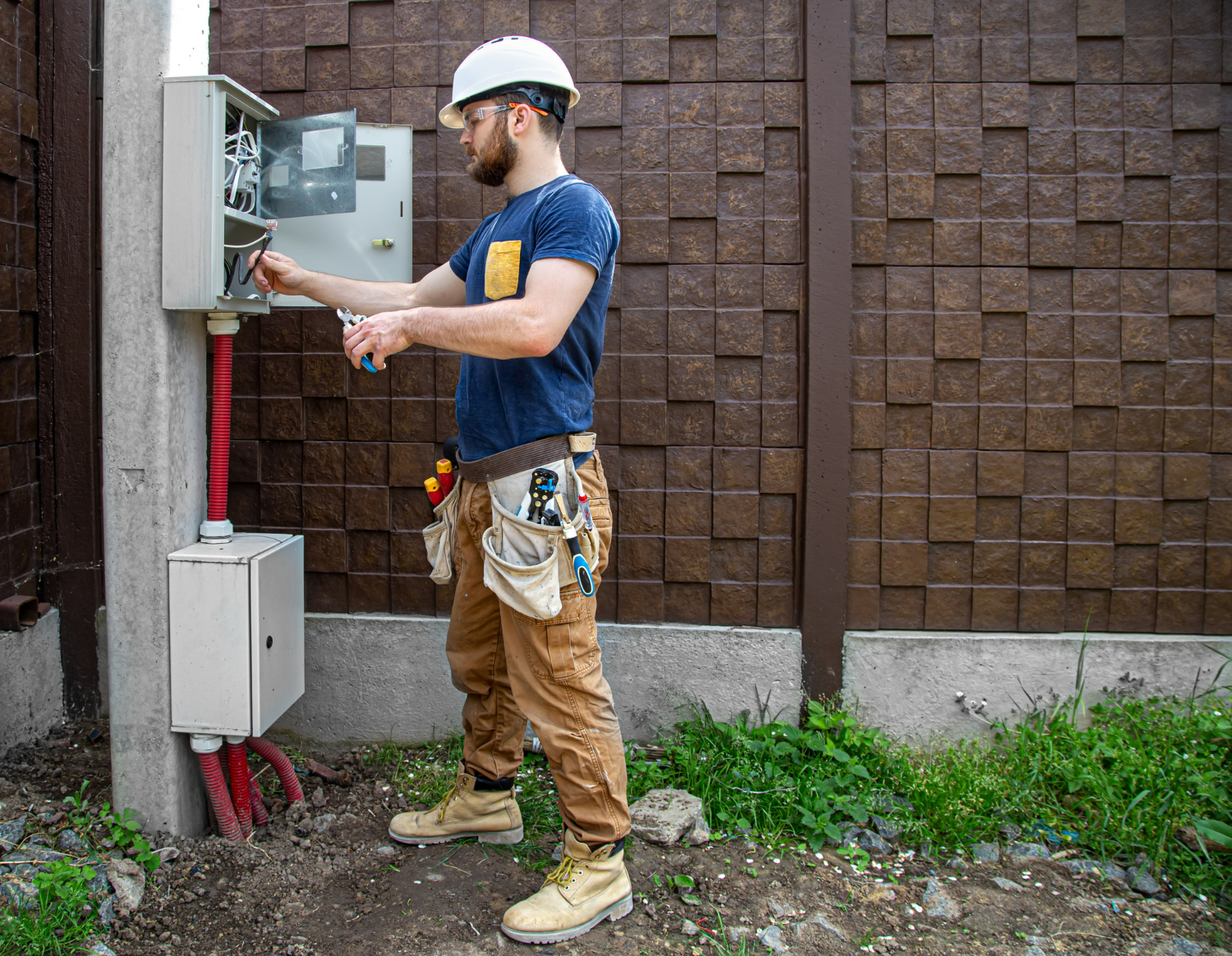
Although most electricians quote the electrical switchboard upgrade cost, only a few break down what that price buys you. A compliant switchboard upgrade in Sydney should cover all of this:
Whichever tier suits your property, the quality and compliance don't change. Only the scope does.
Based on over 30 years of switchboard work across Sydney's Inner West, here is how Impulse Electrical Enterprise structures every quote. You choose what fits your property and your plans with no pressure.
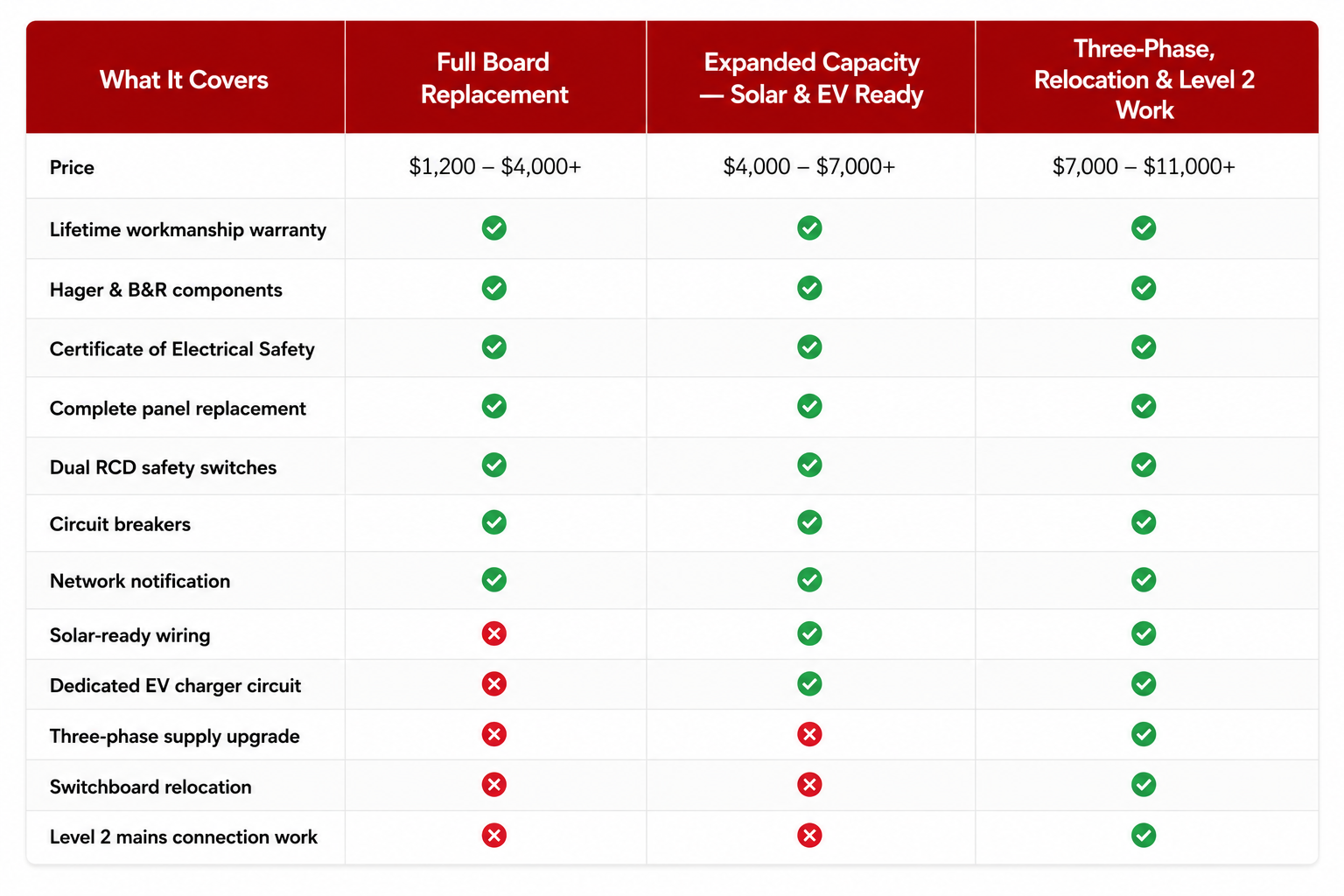
The job that is right for your home depends on the age of your board, your number of circuits, whether you are adding high-demand appliances, and whether the work requires Level 2 access to the mains connection. We assess your property first before determining the electrical switchboard upgrade cost.
These are the main variables that move a switchboard upgrade up or down in price:
As soon as you hear “three-phase”, the cost becomes your main concern. However, a majority of Sydney homeowners don’t need three-phase power unless you are running or planning many high-demand appliances simultaneously.
High-demand appliances would include EV charging, ducted HVAC, large workshop equipment, pool and spa systems. If you run them all at once, single-phase supply can start limiting performance before anything fails.
A three-phase switchboard upgrade in Sydney is handled by a Level 2 accredited electrician and involves coordination with your network provider (Ausgrid or Endeavour Energy). It sits in our top tier: $7,000–$11,000+ depending on scope.
Read the full guide on what a 3 phase switchboard upgrade costs in Sydney and when you need one.
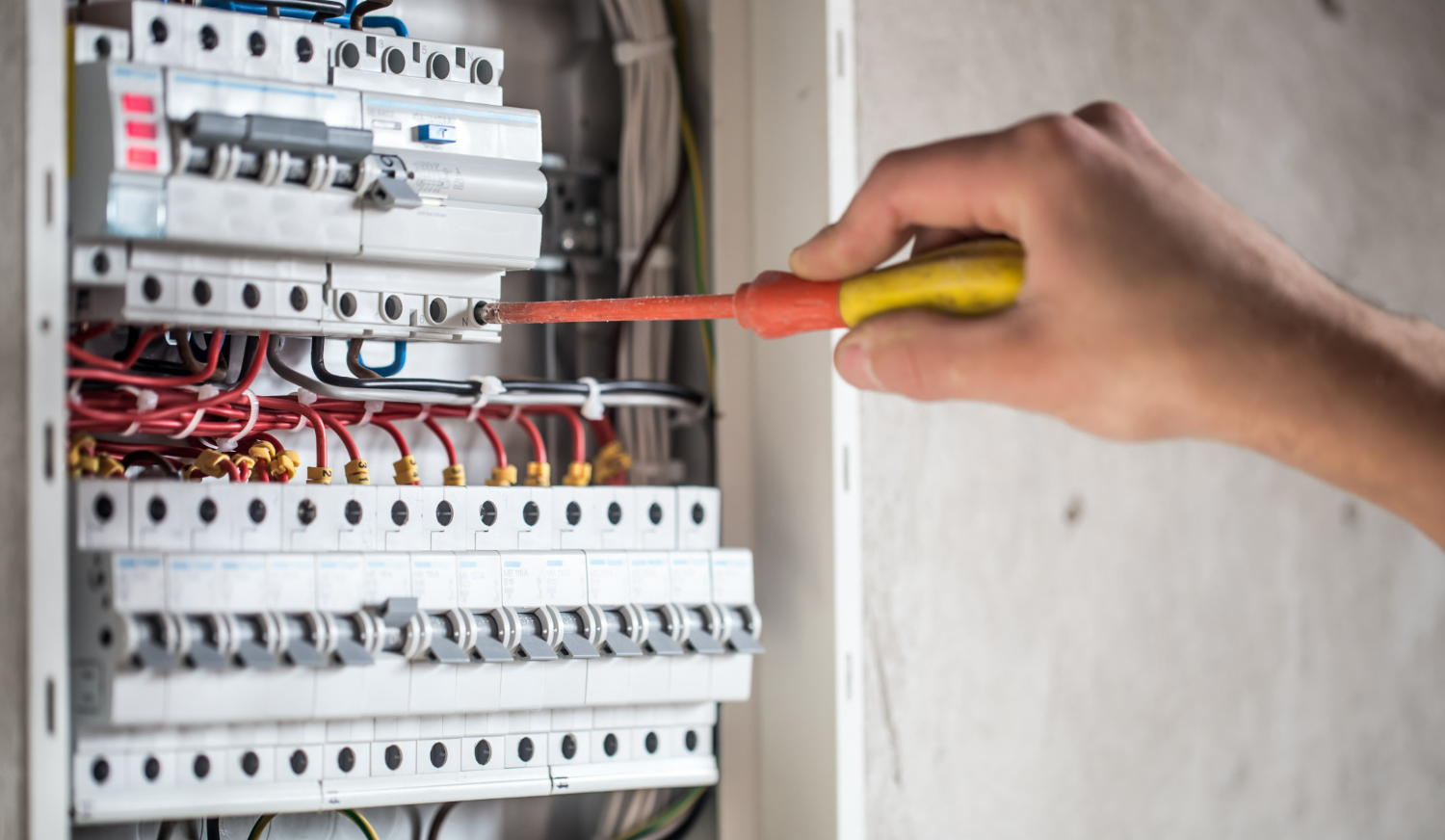
Switchboard upgrade and switchboard replacement are not the same job, although most electrician websites treat them as if they are.
A partial upgrade adds safety switches or replaces individual breakers. A full replacement removes the entire panel and installs a new compliant board.
Most jobs end up as full replacements even when they start as a quick fix. Under Australia’s mandatory wiring standard AS/NZS 3000:2018 Clause 2.6.3.2.5, once any alteration or replacement work is carried out on a switchboard, RCD protection must be installed on all affected circuits to current standards.
On a ceramic fuse board from the 1970s or 1980s, bringing every circuit up to that requirement is a full replacement job. There is no compliant halfway point.
Read the full guide on what a switchboard replacement in Sydney includes, what it costs, and when a partial fix is actually enough.
If you've already got a quote well under $1,200, it's worth knowing what that number probably doesn't cover.
All of this is included in our quote upfront. We'd rather lose a job on price than win one by leaving something out.
How long does a switchboard upgrade take? The electrical switchboard upgrade cost covers a job that may take four to six hours for a standard single-phase install. Three-phase upgrades, board relocations, or jobs with asbestos removal can take a full day or require two visits.
Do I need to be home for the quote? Not always. Most jobs can be quoted remotely with photos, a video walkthrough, or a quick phone call. We recommend a site visit for larger or more complex work.
Is the Certificate of Electrical Safety mandatory? Yes. Under the Gas and Electricity (Consumer Safety) Act 2017, all switchboard work in NSW requires a Certificate of Compliance for Electrical Work lodged with NSW Fair Trading within seven days. Without it, related insurance claims can be void.
What brands do you use? Hager protection devices and B&R enclosures as standard.
What warranty do you offer on switchboard upgrades? All labour carries a lifetime workmanship guarantee. Parts are covered under the manufacturer's warranty.
Do you offer free safety inspections? Yes. Complimentary inspections are available for existing customers, and we recommend them for new homeowners, investment properties, and anyone planning a renovation.
Call 0481 228 836 or request a quote online. We'll assess your switchboard (in person or remotely) and present all three tier options for you to decide.
Lifetime workmanship warranty on all labour. Available 24/7 for emergencies with flexible scheduling for planned upgrades.
Serving Sydney's Inner West and surrounding suburbs.
Is a 3 Phase Switchboard Upgrade Worth It for Your Sydney Home?
Comparing Switchboard Replacement Quotes in Sydney? Read This First

It’s high time for humans to make sustainable life choices. And Australians seem to have taken it seriously, with the EV turning out to be one of Australia’s fastest growing markets. Although you might think that buying the car was the tough part, most homeowners hit a wall trying to set up EV charger installation Sydney without prior research.
In a quick 5-8 minute read, this guide covers:
For further questions, feel free to reach out to a licensed electrician at Impulse Electrical Enterprises. With over 10 years of experience in electrical installations, we make sure your EV charging setup works perfectly for your home
Just as you would refuel a petrol car, EV charging is the process of recharging an electric vehicle’s battery using an external electricity source. Although you can recharge your car at a public charging station, many people use a home charger since it is easier to top up your battery overnight. In fact, according to EV research in Australia, around 83% of EV owners in Sydney charge their vehicles at home, highlighting how common overnight home charging has become.
Compared to refuelling, which only takes a few minutes, EV charging speed depends on the power output of the charger and the size of the vehicle’s battery. Most modern EVs offer between 300 and 600 km of range on a full charge.

There are three types of EV charging services in Sydney that go by the terms Level 1, Level 2, and Level 3.
Level 3 DC fast charging is really not applicable to home EV charger installation. These chargers are found at public stations, charging an EV to 80% in 20-45 minutes. A 2025 report by the Electric Vehicle Council states that Sydney has over 357 fast-charging locations across the metro area, with the network growing at 20% every year.
So the choice of a home EV charger revolves around Level 1 and Level 2.
A Level 1 charger does what one calls trickle charging via a standard power point. Every EV comes with a Level 1 charger in the boot. This means you won’t need an electrician’s help. It plugs into any standard 240V outlet and delivers 10-15 km of range per hour.
While the installation process is simple, the only catch with Level 1 charging is speed. For a 60-75 kWh battery, a full charge can take 24-36 hours. That works if you drive less than 50 km a day.
Level 2 charging works differently. You’ll need assistance from a licensed electrician in Sydney to set up level 2 EV charging since these dedicated wall chargers run on a separate 240V circuit.
What’s better about Level 2? It’s faster. A wall-mounted unit running on a dedicated 240V circuit delivers 7.4kW (single-phase) to 22kW (three-phase). In other words, a full charge takes place overnight in 8-10 hours.
When you compare charging overnight to waiting 24–36 hours, the answer becomes pretty clear.
Level 2 charging fits into your routine without forcing you to plan around it. You plug in at night, wake up to a full battery, and get on with your day. No waiting or second-guessing whether you’ve got enough range.
That’s why most people switch to Level 2 once they’ve lived with an EV for a while.
EV charging has an installation cost which is advertised at a starting price of $800-$1200. However, some confusion spreads as this range only applies to a minority of Sydney homes where everything lines up neatly with no upgrades or repairs of switchboards and wiring required.
An all-in range for a majority of Sydney properties is $1,500-$5,000, depending on what the electrician finds when they assess your property. Even though this looks expensive at a first glance, the benefits that come with a home EV charger are long-term.
For a full cost breakdown with suburb-specific factors and rebate information, see EV Charger Installation Cost in Sydney (What You'll Actually Pay in 2026).
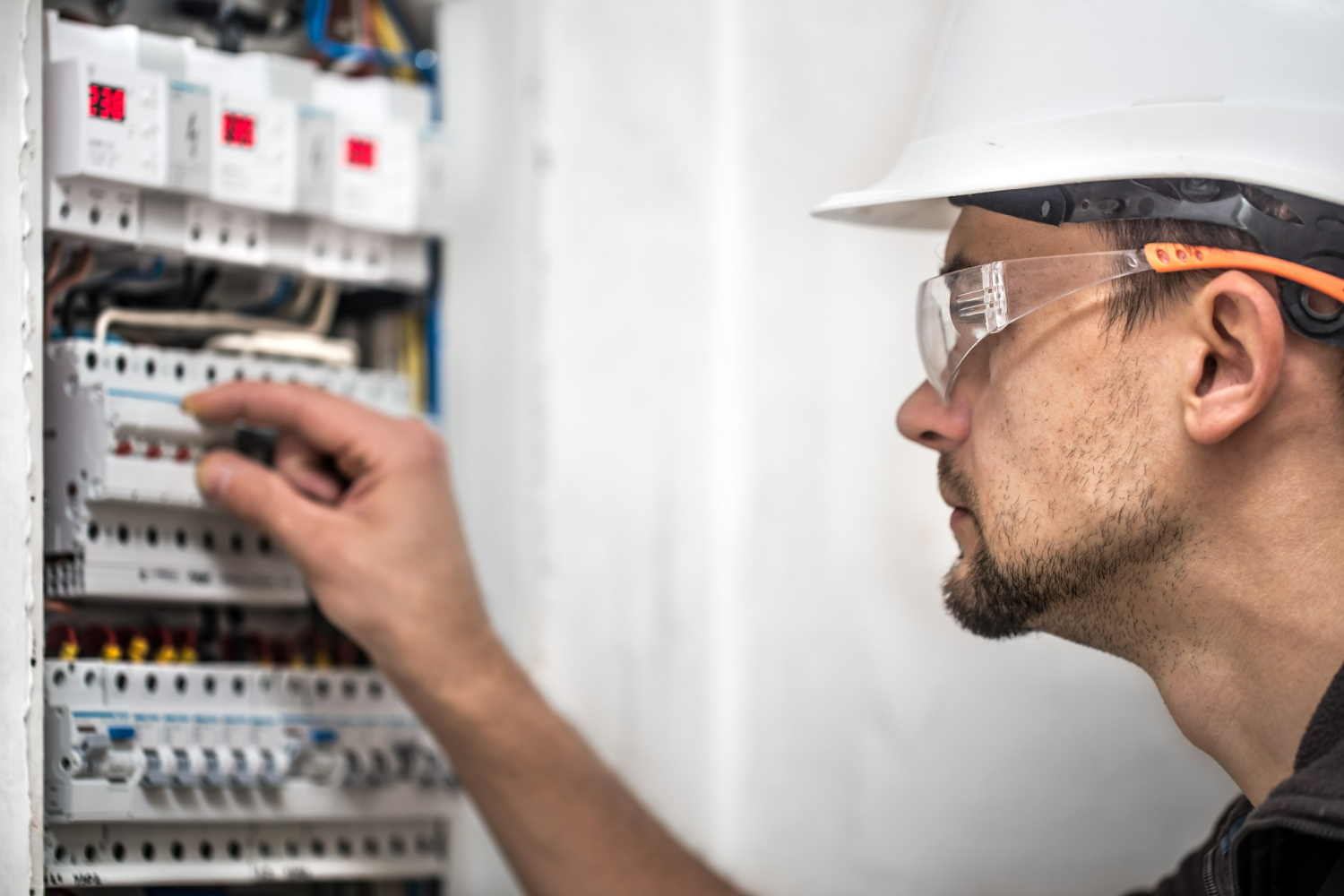
Most Sydney EV owners quickly find that public charging for daily use is both inconvenient and expensive. A properly installed home Level 2 charger solves this. Here's why it's worth the upfront investment:
For a step-by-step breakdown of the installation process, see our home EV charger installation Sydney guide on how to install an EV charger at home.
Before you call an electrician, work through these five points. They'll save you time, money, and mid-project surprises.
Once you’ve covered these points, you’ll be well-prepared for a hassle-free EV charger installation in Sydney.
A standard Level 2 installation by a licensed Sydney electrician covers the following:
The installation process takes around 2–4 hours if it’s straightforward. It’s the integrations like switchboard upgrades, long cable runs, or solar integration that add time and cost.
If your home has solar panels, confirm your electrician is qualified under the separate AS/NZS 5139 standard before booking since all licensed electricians don’t hold this qualification.
Want a transparent assessment from a team with hands-on EV installation experience? Impulse Electrical Enterprise handles the full process.
Send an enquiry or call us at 0481 228 836 to get a quote now (24/7 availability).
How to Install an EV Charger at Home: The Sydney Guide With Step-by-Step Instructions
EV Charger Installation Cost in Sydney: What You'll Actually Pay in 2026

Are you a Sydney homeowner trying to figure out exactly how much it would cost to install an EV charger at your home? Most people realise that the advertised price and the final invoice look completely different only after it’s too late. A job that starts as an $800 installation can become a $3,500 project once the electrician opens the switchboard. An experienced electrician will provide a close estimate of the EV charger installation cost Sydney based on the factors discussed in this article.
If your home already has a modern switchboard with a quick installation process, you can expect to pay around $1,500 to $3,000. That is when the charger location is within 10 metres with no other obstacles. A standard installation includes labour, cabling, an RCD, and a compliance certificate.
Most electricians will quote the number upfront. However, this will only apply to a minority of homes where everything lines up neatly. For the majority, at least one additional cost factor applies.
Based on the housing type you have, installation challenges will apply. The condition of your switchboard is the biggest cost variable. An older board with ceramic fuses, no spare circuits, or insufficient amperage can’t safely carry the sustained 32-amp load an EV charger demands. A dedicated circuit addition on a modern board runs $800-$1,500. A full switchboard upgrade, which is quite common across the Inner West and Eastern Suburbs, adds $2,000-$4,000 on top of the base installation cost.
In addition to switchboard condition, the cable run distance also affects the price directly. The further your charger needs to be from the switchboard, the more cable, conduit, and labour are involved. A 5-metre run inside a garage adds little to the price. However, cable runs beyond 15 metres add to the cost significantly. Longer runs are more common in older Sydney homes where the switchboard is at the front of the house and parking is at the rear.
Another issue that catches many Sydney homeowners completely off guard is the presence of asbestos in wall sheeting, switchboard backing, and older wiring insulation. Licensed electricians cannot work on or near asbestos without prior remediation. Professional testing and removal adds $1,000-$3,000 before a single cable gets run.
If your Sydney home runs on single-phase power, this will adequately support only a Level 2 charger at 7.4 kW. Household planning for two EVs, or wanting the faster 22 kW charging speed, will need to consider three-phase conversion. Converting from single to three-phase costs $3,000-$6,000.
Before making large investments, it’s worth evaluating at the start with a licensed electrician rather than retrofitting later.
From 2025 onwards, chargers above 20 amps, single-phase, in NSW must have demand-response capability. This regulatory update affects almost every standard 7.4 kW home install, which runs on a 32-amp circuit. The practical way to satisfy this requirement is to install an OCPP-capable charger.
However, some wall connectors like the Tesla Wall Connector do not natively support OCPP (Open Charge Point Protocol). This means buyers who have purchased a wall connector before booking an electrician will need a workaround. Before buying any hardware, it’s ideal to discuss the OCPP status with your electrician.
New South Wales does not currently offer a statewide residential EV charger rebate. The $3,000 purchase rebate and stamp duty exemptions for individual purchases ended on January 1, 2024.
What does exist at the local and federal levels:
You can check your specific council's current offerings at energy.nsw.gov.au since grant programmes get updated quarterly and availability changes without notice.
All EV charger installations in NSW must be carried out by a licensed electrician and comply with AS/NZS 3000 wiring rules. This legal requirement protects your vehicle warranty and home insurance. A licensed electrician will do a site assessment before providing a quote. During this assessment, you can check the switchboard, measure the cable run, and confirm how much the EV charger installation will cost.
Always ask your electrician for itemised quotes that separate hardware, labour, cable run length, and any upgrade costs.
If you're in Sydney and want a transparent assessment from a team that knows the local EV charging compliance requirements, Impulse Electrical Enterprise handles the full process.
Contact us to get your quote today.
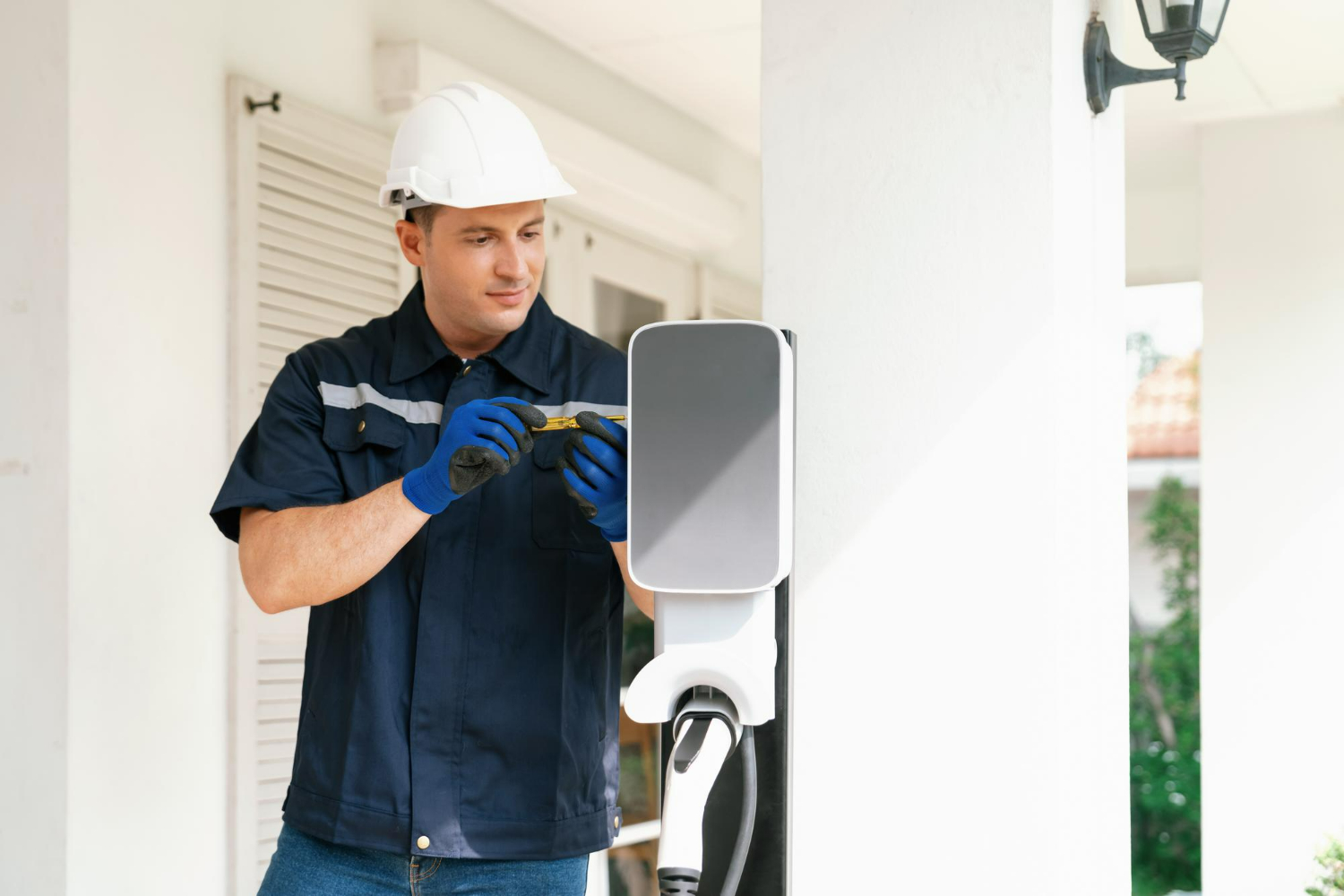
Before engaging in a home EV charger installation Sydney, you need to look into several factors. Just because having an EV charger right at home would make things easier for you, don’t go there without getting proper advice from a licensed electrician. If the process isn’t handled properly, all you’ll do is blow your budget.
This guide walks you through:
Level 1 doesn’t require specific tools. So it’s a DIY job for most people. All you’ve got to do is take the charger out of your EV’s storage compartment and find a power point close to where you park. A garage or covered carport is ideal. The next step doesn’t require explanation. Just plug the charger into the power point and into your EV. The companion app or the EV’s dashboard can be used to monitor charge progress.
Level 2 home EV charger installation in Sydney must be carried out by a licensed electrician for two reasons: firstly, because a 7 kW charger on a 32-amp circuit draws roughly the same sustained load as a large air conditioner; and secondly, due to the fact that Australian law requires compliance with AS/NZS 3000 (the wiring rules). Only a licensed electrician can issue the certificate of compliance you’ll need, especially if you are selling property or making an insurance claim.
Getting back to the steps to install a level 2 EV charger, here’s what happens during a standard home EV charger installation in Sydney:
Your electrician checks whether your switchboard can handle the additional load. This step is necessary because 35-40% of older homes need some level of switchboard work before a charger can be installed. If a switchboard upgrade is needed in terms of replacing full boards, outdated fuses, or undersized wiring, a licensed electrician will identify them before anything else proceeds.
Level 2 EV chargers need their own circuit. To be clear, this circuit cannot be shared with other appliances. The electrician runs new cabling from your switchboard to the charger location routing around existing wiring and plumbing. The installation cost increases depending on the cable run.
A residual current device is a legal requirement. It protects against electric shock and electrical faults. No compliant installation goes without one.
The charger should be mounted on a sturdy wall. Placement of the charger factors in cable reach, weather exposure, and how you park. For outdoor installations, your charger needs a minimum IP55 weather rating to handle Australian conditions.
The system is tested against Australian standards, and you receive a certificate of compliance. A straightforward home EV charger installation in Sydney takes 2-4 hours. Switchboard upgrades or long cable runs will add time.
If your charger has app connectivity, the electrician can link it to your WiFi for remote control and scheduling. You can also configure the EV charger to prioritise solar energy if you have solar panels. And if you have a battery, set it to store daytime generation for overnight charging. Note that solar integration triggers a separate compliance standard (AS/NZS 5139), so confirm your electrician is qualified for this work before booking.
If you are based in Australia and want a fully compliant job done on time and on budget, our team at Impulse Electrical Enterprise specialises in residential EV charger installations.
We handle the whole process in terms of any wiring repairs, switchboard upgrades, and solar integration. You don’t have to worry about a thing.
Call us at 0481 228 836 to book a site assessment or get a quote now.

If your home was built in the early 1960s or the 1980s and still has original wiring, it’s highly likely that the wires are in bad shape by now. It might not be noticeable, but as damages increase over time, the cost of rewiring your home will only increase. Most homeowners worry that rewiring a house is messy and too time-consuming when drywall has to be removed. But an electrician can inspect your property and suggest alternative methods which are minimally invasive. Let’s walk through these methods.
This is one of the most common techniques that electricians in Sydney rely on to avoid ripping out drywall. Instead of opening up large sections of plasterboard, they work within the hollow spaces already inside your walls.
It usually starts with small access points near outlets or switches. From there, electricians use specialised tools like fish tape or flexible rods to guide new wiring through the wall. Your electrical contractor should have experience working with homes like yours to make sure that the structural framing or plumbing is not damaged during this process.
In Sydney, many homes have accessible roof cavities such as attics. If your house has such a ceiling space, then your electrician can run wiring across it and then drop it down into the walls where needed without working through the walls directly.
This method is highly effective since it avoids unnecessary cutting of drywalls without much risk of damaging the house structure. Since the wiring is directly fed to an existing outlet, you don’t have to worry about how it looks either, what with all the wiring hidden above the ceiling.
If your home has a pitched roof, then the process is even smoother with less labour time. That means faster turnaround for homeowners who want things to go back to normal as quickly as possible.
Just as your home rewiring can go above the ceiling, you can also make use of raised flooring or crawl spaces. Instead of coming from above, your wiring is run underneath the home and fed upward into the walls.
This method is especially useful in older Sydney properties where subfloor access is available. Since electricians can move freely beneath the house, new cables can be routed efficiently and then connected directly to outlets from below.
The main goal is always to avoid wall damage. However, your electrician will need to make small openings on some occasions. Instead of removing entire sections of drywall, electricians make precise cuts only where absolutely needed.
These openings are usually just a few inches wide and are placed strategically to guide wiring through tricky areas. Once the work is complete, they can be patched quickly with minimal effort.
Compared to traditional rewiring methods, this approach significantly reduces repair work and keeps your home intact throughout the process.
In some homes, electricians can take advantage of existing conduits or pathways left behind by older wiring systems. If these routes are still usable, new wires can be pulled through without creating any new openings at all.
This method isn’t always possible, especially if the original wiring setup is outdated or damaged. But when it works, it’s one of the most cost-friendly ways to handle rewiring your home with almost no structural impact.
In situations where internal access is too restricted, electricians will recommend surface-mounted wiring as a practical alternative. This involves running cables along walls or ceilings using protective casing.
While it’s more visible than concealed wiring, modern trunking systems are designed to be neat and unobtrusive. Plus, they fully comply with Australian safety standards when installed correctly.
If your home is showing signs of ageing wiring but you’re reluctant to go ahead with repairs in case your property gets damaged, it’s a decision made out of fear that’s stopping you from keeping up with your electrical needs.
The idea that rewiring requires tearing your home apart is outdated. It’s worth exploring these modern methods to see if your electrical system can be upgraded without removing drywall.
Impulse Electrical Enterprise provides 24/7 emergency electrician services across Sydney, including the Inner West. You can reach out at 0481 228 836 for a quote and discuss your options.

If you have started getting quotes, you already know that home rewiring cost in Sydney can vary more than expected. One electrician might quote significantly higher than another, and it’s not always clear why. While the cost of rewiring your home highly depends on the size of your home and the extent of repairs to be done, it also comes down to other factors such as planning the upgrade properly and how efficiently the work is done.
You might be surprised to hear this, but how accessible your house is to an electrician highly impacts the rewiring cost. Why? When all areas in your home, including roof cavities, underfloor spaces, and existing wall gaps, are accessible for repairs, the job becomes faster and less invasive, thereby less expensive too.
Most people assume that leaving as little room as possible for rewiring will cost less, when in fact, the reality is quite the opposite. Should access be blocked by stored items, tight spaces, or renovations already in place, the job takes longer. More time means higher labour costs.
A simple step like clearing your roof space or underfloor area before work begins can make a huge difference in your home rewiring cost.
If you make changes during a project, costs quietly increase. Although it might seem minor to add an extra power point or move a switch halfway through, these adjustments require rerouting wires or reopening sections that were already completed.
So before your electrician begins work, take time to think through:
A clear plan keeps the job moving efficiently, and it also helps your electrician complete the work in fewer visits, which directly reduces your overall home rewiring cost.
Rewiring at the right time can reduce your overall cost, especially if you’re already planning renovations. By making space for your electrician to run cables before painting, plastering, and installing new walls or cabinetry, you can avoid paying for repairs twice. If you try to rewire after everything is finished, it usually means more cutting, more patching, and more labour. These costs compound and add up, making your home rewiring cost far more expensive than it has to be.
Not every home requires a full rewire. In many cases, your electrician will replace only outdated or unsafe wiring and upgrade high-use circuits only. You can also improve areas section by section as per your priorities. For instance, if the kitchen needs to be rewired faster than your living space, then get that cleared up with your electrician. If your electrician is actually reliable, they’ll walk you through what genuinely needs attention and what doesn’t. This can save you from overspending while still improving your home’s electrical safety.
The cheapest quote definitely sounds attractive, and it’s easy to lean towards it, especially when there’s a large price gap. However, if your rewiring is not done properly, more fixes will be needed later and the cheap quote won’t look too good anymore. An experienced electrician in Sydney knows how to work within your home’s structure to avoid unnecessary damage at a shorter project time. This efficiency balances out the upfront cost.
If you’re trying to understand what your rewiring project might realistically cost, it helps to speak with electricians who approach the job practically. Impulse Electrical Enterprise works with Sydney homeowners to assess what’s actually needed and finds ways to keep costs under control from the start. Call us at 0481 228 836 (available 24/7) or get a quote for a safe and cost-effective home rewiring solution today.
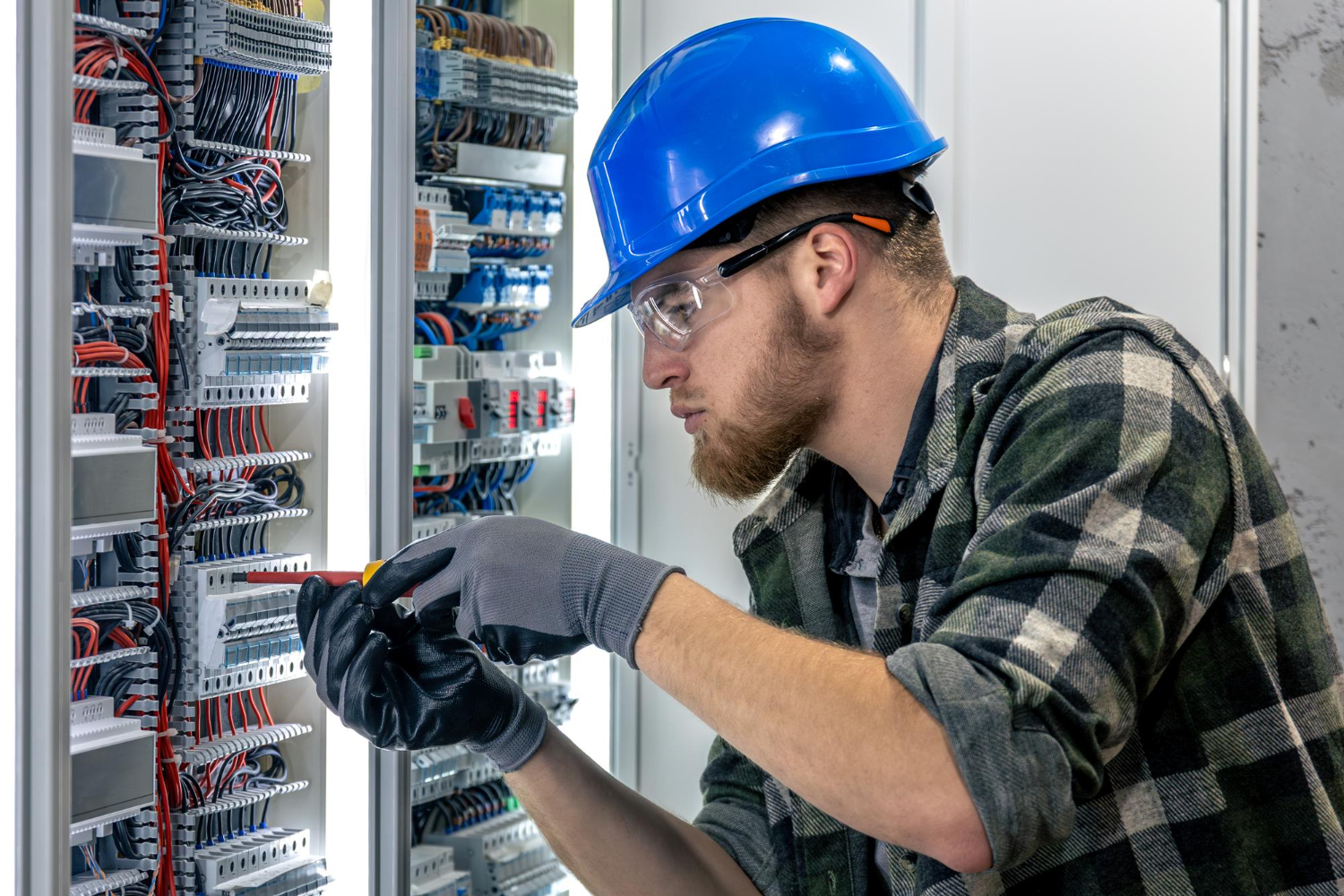
The switchboard is the backbone of your electrical system. It is the system that is responsible for the smooth flow of electricity throughout your house. But as energy demands increase and appliances become more complex, old switchboards will have a difficult time keeping up, making switchboard upgrades in Sydney an absolute necessity. In this guide, we'll walk you through everything you need to know about switchboards as a homeowner. Our goal is to help you make an informed decision that guarantees your safety and peace of mind.
The switchboard is the central electrical component that performs the all-important task of managing the flow of electricity. It is an extremely important part of your home’s electrical system because it:
Like any other electrical appliance, there will come a time when your switchboard develops faults. Fortunately, there are plenty of warning signs that tell you it's time for a switchboard repair in Sydney. Some of the most common warning signs are:
Old switchboards aren’t built with modern electric demands in mind. As a result, not upgrading your switchboard in time significantly increases the danger to your home and persons. Some of the most prominent dangers of outdated switchboards are:
Here’s what you can expect when you call one of our electricians for your switchboard upgrade and switchboard installation in Sydney:
Normally, standard switchboard upgrades take from a few hours to a day. However, the exact time taken can depend on factors such as the condition of the wiring, the complexity of the setup, and access to the switchboard.
For example, if the existing wiring is in good condition, the upgrade will be straightforward and will only take between 4 and 5 hours. A moderate upgrade that involves the installing of additional circuits and minor rewiring can take between 6 and 7 hours. However, if the upgrade requires extensive wiring and has a lot of compliance issues, it may take 8+ hours or even multiple days.
Upgrading your residential property switchboard in Sydney can cost between $900 and $2500 AUD. However, the final cost will depend on a number of factors, such as:
While upgrading and repairing your switchboard is a must, that doesn’t mean you need to overpay. It’s always good to get a quotation and see the price breakdown.
Upgrading your home’s switchboard is a worthy investment in your home’s safety, efficiency, and long-term reliability. From recognising the early warning signs to understanding the costs and benefits, you will need the help of an experienced electrician to get the job done right.
That’s where Impulse Electrical Enterprise can help. We provide expert electrical services across Sydney, and our team is on call 24/7. No matter what time of day or night, our team is here to help make your home safe, compliant, and ready for the future. Call us now at 0481 228 836.
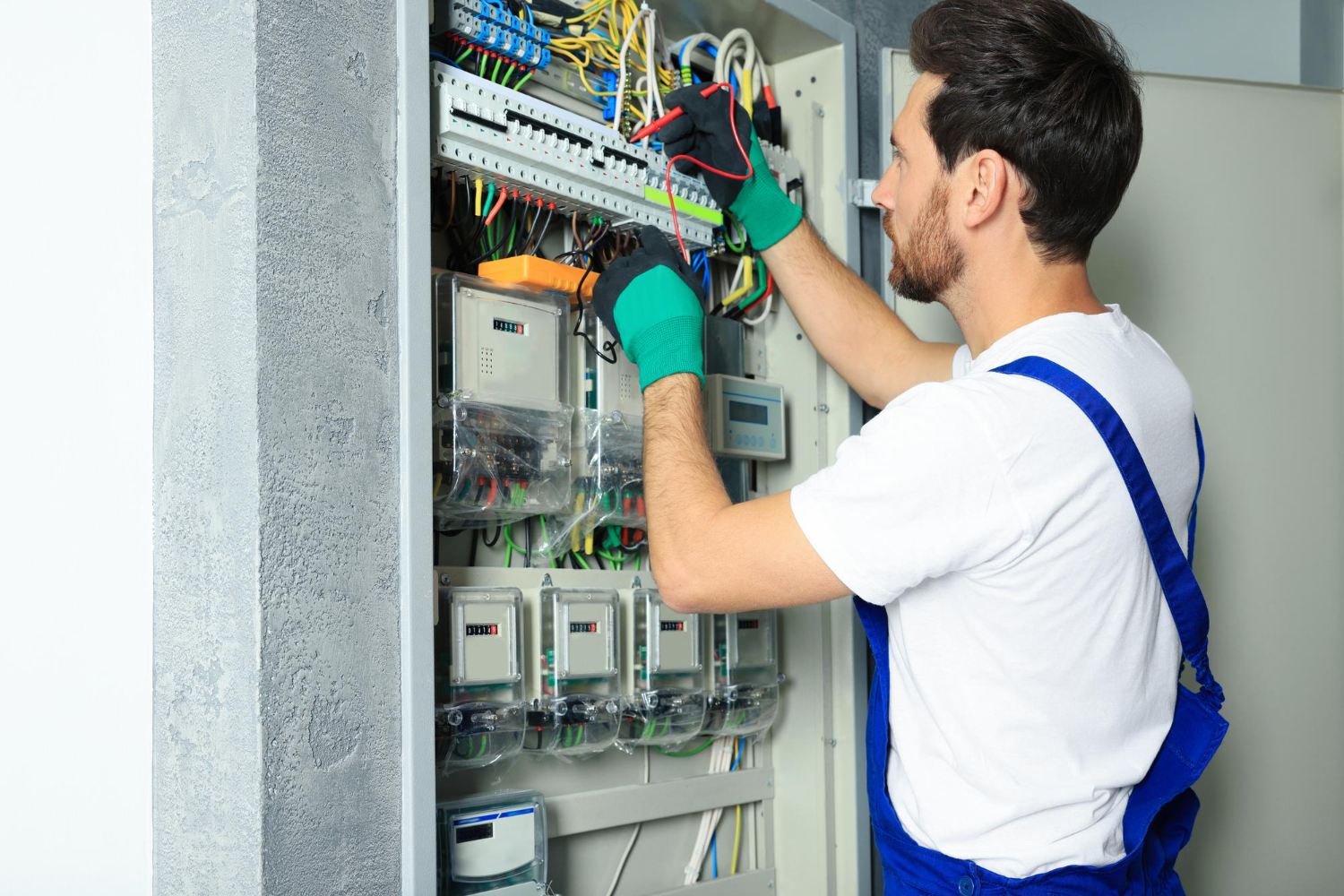
Your switchboard is the center of your home’s electrical system, and it's what’s responsible for the safe supply of electricity to every room and appliance in your home. However, like any other electrical component, switchboards can develop faults over time. Tripped circuits, burning smells, and flickering lights are all telltale signs that you need to have a switchboard repair in Sydney. In this guide, we’ll explore some of the most common problems and fixes for switchboard issues. At the same time, we’ll also take a look at whether a repair can be DIY and when you should start on your switchboard upgrades in Sydney.
Like any other electrical appliance or system, there will come a time when your switchboard needs to be repaired. The good news is that when your switchboard needs repair, you will notice one or more warning signs. When you notice these signs, it's important that you take immediate action, or you will have to face more complex problems down the road.
If you notice any one or more of the warning signs mentioned above, the best course of action is to shut down that specific circuit, or the full switchboard if needed, and contact an experienced electrician for a switchboard repair in Sydney.
The answer is, it depends. If your switchboard is old and not enough to meet your current electric needs or safety standards, then a breakdown will give you the perfect time to have your switchboard replaced. However, if your switchboard is modern and only a part of it, like a circuit, switch, or wire has been damaged, then repairing the switchboard can be done by replacing the defective component. But if your switchboard has suffered significant damage, then you will need to replace it, no matter how modern it may have been. Let an expert take a look at your switchboard and decide whether it can be repaired or whether you need to go for a new switchboard installation in Sydney.
No, switchboard repairs in Sydney cannot be DIY. When your switchboard is only experiencing a minor issue, you might be tempted to try and fix it yourself. However, electrical work can be extremely dangerous, and one wrong move can lead to fire, injury, death, and other forms of lasting damage. Apart from that, there can be issues when you try to claim compensation for the accident caused by unlicensed work. Furthermore, if you are found engaged in unlicensed work, you can be subject to fines and other legal penalties. That being the case, only a licensed electrician has the permission to conduct electrical work, including switchboard repair in Sydney.
When you hire an electrician, you put yourself out of harm’s way. At the same time, when you hire a professional, quality service that conforms to industry standards is almost certainly guaranteed.
When it comes to your electric switchboard, leave nothing to chance. If you notice any faults or think it's time for an upgrade, it's time to call the professionals. At Impulse Electrical Enterprise, our team provides a range of professional, prompt, and reliable electrical services, including switchboard repairs. No job is too big or too small for us, and you can reach out to us at any time of the day or night. Get your switchboard repair in Sydney done right with Impulse Electrical Enterprise. Call 0481 228 836 for an instant quote or call out.

From lights to kitchenware, entertainment systems, and more, electricity can power every part of your home, and it is the switchboard that keeps everything running smoothly. Not only that, but a proper switchboard installation in Sydney is an essential part of meeting modern safety standards and handling growing power demands. Whether it’s building or renovating your home, or you want to do some switchboard upgrades in Sydney, there can be no shortcuts or compromises. In this blog, we’ll explain what homeowners need to know about switchboard installations, when it's necessary, and when you need to call the experts.
Your electrical switchboard is your home’s nerve center. Without a switchboard, your home’s electrical system will not be as safe and efficient as it can be. Here are some of the key functions that are performed by an electrical switchboard.
Considering how important the switchboard is to creating a safe and efficient home electrical system, you need to put some thought into where it should be installed. The key to finding the right location is striking a balance between safety and accessibility.
Installing a switchboard won’t be a simple DIY process. It involves carefully aligning complex electrical connections and adhering to strict safety and electrical standards. One wrong move and you might need to get yourself acquainted with candle light until the problem can be solved. That’s why it's always best to call licensed professionals to handle your switchboard installation in Sydney. Here’s why calling an expert can make all the difference.
Everyone can agree on how important an electric switchboard is to your home. We can also agree that when it comes time to install, repair, or upgrade your home’s switchboard, it's time to call the experts. If you’re looking for licensed and reliable professionals to get the job done, then it's time to give Impulse Electrical Enterprise a call. Our team of licensed electricians specializes in all manner of residential electrical work, including switchboard installation and repairs. What’s more, our team is available all day and night—whenever you need us, we’re one call away. Get your switchboard installed fast and right. Call 0481 228 836 for an instant quote or call out.

When you are facing an electrical emergency, you need to take preventative measures to make sure that you are safe until professional help arrives. If you have already called an emergency electrician in Sydney, that’s a good move. Burning smells or sparks from a power point are scary. But this is not the time for rushed decisions. Let’s talk about what comes next in an electrical emergency step by step and what you should be doing to keep everyone safe.
That’s the first thing to check. Don’t get distracted counting the number of electrical devices that aren’t working anymore or how long it will take to get back to work. Look around, listen, and smell.
Your next steps depend on the situation. If there’s no fire or heavy smoke, you can take the next possible action, turning off power. But in the case of a fire hazard, your first step during this emergency is to keep everyone away and clear the area immediately.
Once you’ve confirmed that it’s safe to reach the circuit breaker, you can turn off power to the entire property to prevent further damage. Here’s what you need to do only if no sparks, smoke, water, or heat are present.
First, you need to find the switchboard. This is usually located in the garage, laundry, or an external wall. Open the panel and turn all individual circuit breakers and safety switches (RCDs) to OFF or down position.
The main switch is the largest one labelled ‘MAIN’. Flip it firmly to OFF and you’ll hear a click. Afterwards, test lights in a room where the emergency didn’t occur to verify no power.
When turning off power, make sure that you don’t touch the switchboard with wet hands and that the area is completely dry. This can’t be emphasised enough. If the switchboard is hot, sparking, or smoking, step away.
If you live in the Inner West, especially in an older terrace, semi, or unit block, your switchboard will not look the same as your neighbour’s. Knowing what you’re dealing with matters during an electrical emergency, because it affects how you can safely cut power.
Older properties still have ceramic fuses instead of switches. These fuse boxes usually contain small screw-in or pull-out fuse carriers and usually look outdated or discoloured.
If a fuse blows:
Do not attempt to replace a fuse during an emergency. If there are burning smells, sparks, or heat, step away and wait for your local emergency electrician.
Most modern homes and upgraded Inner West properties use circuit breakers. These are switch-style controls that trip to the OFF or middle position when there’s a fault.
They are safer because:
Flipping the main breaker to OFF is the fastest way to isolate power during an emergency.
A safety switch, also called an RCD, is designed to protect people, not appliances. It cuts power when it detects electricity leaking, such as through water or a human body.
Key things to know:
If a safety switch trips during an emergency, don’t keep resetting it. Repeated tripping usually means a serious issue that needs professional attention.
This wait can feel impossible. You want to save your electrical appliances and return to normalcy. There’s work waiting to be completed before deadlines, and a blacked-out building is just frustrating.
While you wait for a local electrician, you’ve got to make some mental notes on what happened. Why? If you communicate the state of things clearly, your electrician can work faster.
So think carefully. Did the smoke alarm go off? Was there faulty wiring? When did the sparks begin? Which electrical appliances stopped working first? Was there any recent electrical work done?
When you provide this information clearly, your emergency electrician can diagnose the fault accurately. In addition, keep your gates unlocked and make sure that someone is available on-site to meet the electrician.
Fast and reliable emergency electricians in Sydney are available 24/7 beyond business hours for all types of electrical repairs. So, if the electrical problem you are facing does not seem to stop, don’t wait too long and risk injury or fire.
If something feels off, trust your gut and call 0481 228 836 for an experienced emergency electrician at Impulse Electrical Enterprise. Do follow the steps discussed earlier to stay safe until professional help arrives.

The wiring in your home never asks for attention. You flip switches, plug in your laptop, turn on the AC, or switch on the television after a long day, and life’s good. That is until your electrical system no longer wants to cooperate. The signs will look less obvious and harmless at first. But when your appliances begin struggling more and more and can’t handle the modern demand, it’s time to consider an electrical wiring upgrade. Most people push this off until it’s too late and the number of repairs required has doubled or tripled over time. So let’s go through the signs your home may need rewiring, what costs look like, and how the process works based on the real experience of our electricians with home rewiring Sydney.
When you hear the words “home rewiring”, the unimaginable probably pops up in your mind: a full overhaul where every wall gets opened up and every cable is replaced. That’s when you push it off. But the reality is not so overwhelming. An electrician will assess your electrical system and tell you what the rewiring job will include.
A home rewiring job in Sydney could include:
In most Sydney properties, the electrical wiring runs on a standard single-phase 240V system with three key components working together. The active wire carries the current, the neutral wire completes the circuit, and the earth wire provides protection if something goes wrong. When all three are functioning properly, your system runs safely and efficiently. But when wiring starts to age, that balance is lost and rewiring will be required.
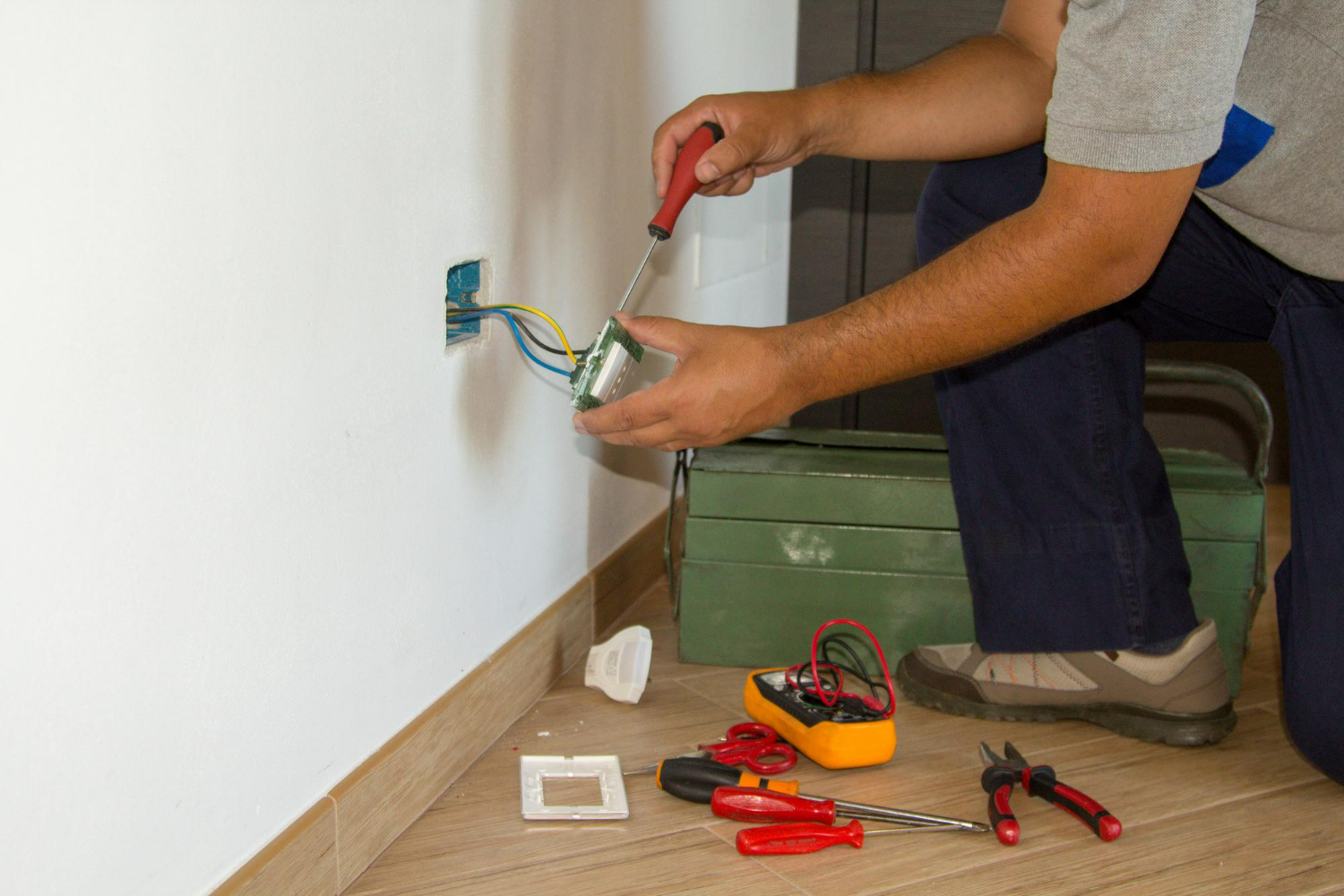
If you notice these signs in your electrical system, there’s a high chance of increased electrical faults in the future:
At first, these signs will only turn out to be inconveniences. However, as time passes, electrical faults can escalate to residential fire hazards. A home rewiring done in time prevents expensive repairs later.
The average cost for rewiring a standard-sized house ranges from $3,500 to $8,000 in Australia. However, quotes vary based on different aspects of your electrical system.
Homes with easy access through ceilings or subfloors are faster to rewire. That reduces labour time and keeps costs more manageable.
On the other hand, tight spaces or limited access can increase the complexity of the job. That’s why two homes of similar size can end up with very different quotes.
If you want to explore this in more detail, read our home rewiring cost article and understand practical ways to reduce expenses without compromising on quality.
Every licensed electrician in Sydney follows the AS/NZS 3000 Wiring Rules, which set the benchmark for how electrical systems are installed across the country.
One of the recent updates includes standardising wire colours. If your house was built after 2018, you’ll see:
Older homes can still have previous colour codes. While this isn’t necessarily unsafe, it can make inspections and upgrades in older properties more complicated.
Another important requirement is the use of safety switches, also known as RCDs (Residual Current Devices). These are designed to shut off power almost instantly if they detect a fault, such as electricity flowing where it shouldn’t. Modern standards also focus heavily on proper grounding, circuit protection, and load management.
If you’re considering home rewiring in Sydney, these standards are a big part of the process. Any upgrade needs to bring your system in line with current regulations for compliance.

One of the biggest concerns homeowners have is the mess. No one wants walls torn open across the entire house.
The reality is, experienced electricians rarely work that way anymore.
Instead, they use methods like:
This approach keeps disruption to a minimum. Most of the work happens behind the scenes, with only minor patching required at the end.
If you’re curious about how this works in practice, head to our blog on rewiring your home without removing drywall to learn about the specific techniques Sydney electricians apply to protect both your home and your time.
The first step is to evaluate whether your electrician is qualified. You can verify whether they hold a valid NSW contractor licence, preferably with Level 2 certification for complex jobs. In addition, be sure to question whether they comply with AS/NZS 3000 wiring rules and offer insured services.
A skilled electrician in Sydney will plan your home rewiring with minimal disruption to your household by planning efficient cable routes. If you’re considering home rewiring Sydney, talk with a few local electricians who understand how these projects work to get an overall understanding before deciding how to rewire the house.
Impulse Electrical Enterprise takes a practical approach. Let us assess your property and explain what’s needed in plain terms so you can understand your options for home rewiring without overcomplicating things.
Reach out at 0481 228 836 for a clear, no-pressure quote or send an inquiry now.

Scheduling an emergency is not a realistic call. And that's the challenge most landlords, homeowners and businesses in Inner West Sydney face nowadays. While you can plan and control most aspects of how your property is maintained, an electrical emergency is out of the bounds of fixing. When you search for an emergency electrician Inner West Sydney and call the first hotline you trust, here’s exactly what you should be ready to explain.
The best thing to do during an emergency is for the property owner to call the local electrician. When providing the address, you need to mention the following details to provide precise direction:
Accurate details mean your local emergency electrician can despatch faster instead of calling back for clarification.
It’s completely normal to feel rushed when describing the problem to the electrician on call. But try to keep calm and describe the symptoms clearly, such as sparking outlets, burning odours, and breakers that trip repeatedly. If there’s water near the wiring, try to remember where it began. The more details you provide, the easier it is for your emergency electrician in Inner West Sydney to attend to the matter with the equipment needed. Also make a note of your neighbour’s power supply to confirm whether it is a property-specific problem.
These details help your electrician arrive prepared. Let them know:
If your phone battery is low, go somewhere safe to charge it so you don’t lose contact during despatch or arrival.
Always mention if there are:
These details help prioritise the response and ensure safety comes first.
While help is on the way, if you are one of those fixers who want to get things back to normal as fast as possible, you might get the urge to try things on your own.
All that you should be doing in the case of an emergency is switching off the breaker or the fuse box and taking everyone to safety. What you definitely should not be doing is attempting any DIY electrical repairs, especially if there’s a water leakage or a fire hazard.
If there are exposed wires or damaged sockets, stay away from them, and also keep the water line closed until help arrives. Patience will keep you safe during an electrical emergency.
And when your electrician arrives, try to stay calm and let the expert assess the situation properly. Electricians will be able to solve the issue faster when they have the freedom to access the site without interruptions like kids running around.
If you focus on your safety and that of those around you, electricians can get started on repairs right away.
In addition, if there is smoke or fire, even minor signs of one, immediately call 000 for the fire brigade and do not try to put out electrical fires with water.
When something goes wrong, you need calm advice, fast responses, and licensed expertise. Impulse Electrical Enterprise provides 24/7 emergency electrician services across Sydney, including the Inner West.
If you’re dealing with sparks, smoke, power loss, or unsafe wiring, don’t wait.
Call 0481 228 836 for a fast and safe solution.

An electrical emergency at your home or office doesn’t always come with warnings. And when it does, it could be in the middle of the night or right when your kid is about to blow a birthday candle! Local electrician services provide 24/7 emergency help due to this reason. This beginner’s guide will help you figure out whether you are in actual danger from an electrical hazard and explain how to get help from a qualified emergency electrician Sydney so you don’t waste money on half-done jobs or expose anyone who lives in your building to any more danger.
If the lights in the patio are flickering as if you are in a horror movie, don’t start assuming a ghost is at your door. You might just be needing a sparky's help.
Tip 1: Turn off flickering lights to prevent a short circuit.
Flickering is one sign. See any sparks when the appliance is switched on? This means the problem exists in the wiring or the appliance itself.
Tip 2: Unplug the appliance and turn off power at your fuse box or circuit breaker.
In the worst case scenario, you might be looking at a burnt socket. You are no longer facing an electrical hazard; it’s a fire hazard too.
Tip 3: Get an emergency electrician in Sydney to inspect your wiring system immediately after switching off the circuit breaker. Don’t restore power until your electrician approves.
There are many reasons for an electrical emergency to occur. So, don’t wait until the underlying issue becomes dangerous since you are, after all, playing with fire and sparks when taking risks with electricity.

In the case of an emergency, if you see any of the signs we discussed earlier, the first thing to do for your safety is to turn off power in your circuit breaker.
Your first point of action is to cut the power fast and safely. Head to your fuse box or circuit breaker. Don’t panic if you can’t find it or don’t know what it looks like.
The circuit breaker will most probably be in the garage, laundry, or an outside wall near the front or side of the house. It’s a rectangular metal or plastic box, and when you open the cover, you’ll see a row of small labelled switches lined up neatly, plus one larger main switch at the top or bottom.
The switches are marked ON and OFF. If one switch is sitting in the middle or looks different from the rest, it may have tripped.
What you’ve got to do now is open the panel and look for the main switch. Flip it to the OFF position to shut down power to the entire property. If you have been able to figure out where the electrical problem is rooted, turn off the affected circuit only.
Never touch the switchboard if your hands are wet or if you see sparks. Once power is off, keep everyone away and contact the nearest electrical services straight away.
For further details on how to cut the power during an emergency, head to our emergency electrician in Sydney safety tips article.
Here’s what you need to do immediately when an electrical emergency hits to ensure you and your loved ones are safe:
When an electrical emergency occurs, if you have kids or pets in your home, be extra attentive and take care of everyone until help arrives.
A mistake that most of us make in solving a problem, be it electrical or of any other nature, is waiting. You simply can’t afford to wait with electrical damages. From sparks and flickers to burning smells, the next thing you know, your house or office is on fire!
And if you’ve recently had water damage near electrical wiring or a storm-related fault, you are at far greater risk. The smallest signs, like a hot power point that keeps short-circuiting, can lead to bigger problems within a matter of a few hours.
Don’t risk getting electrocuted. When in doubt, immediately switch off the power and get an emergency electrician to do a checkup.
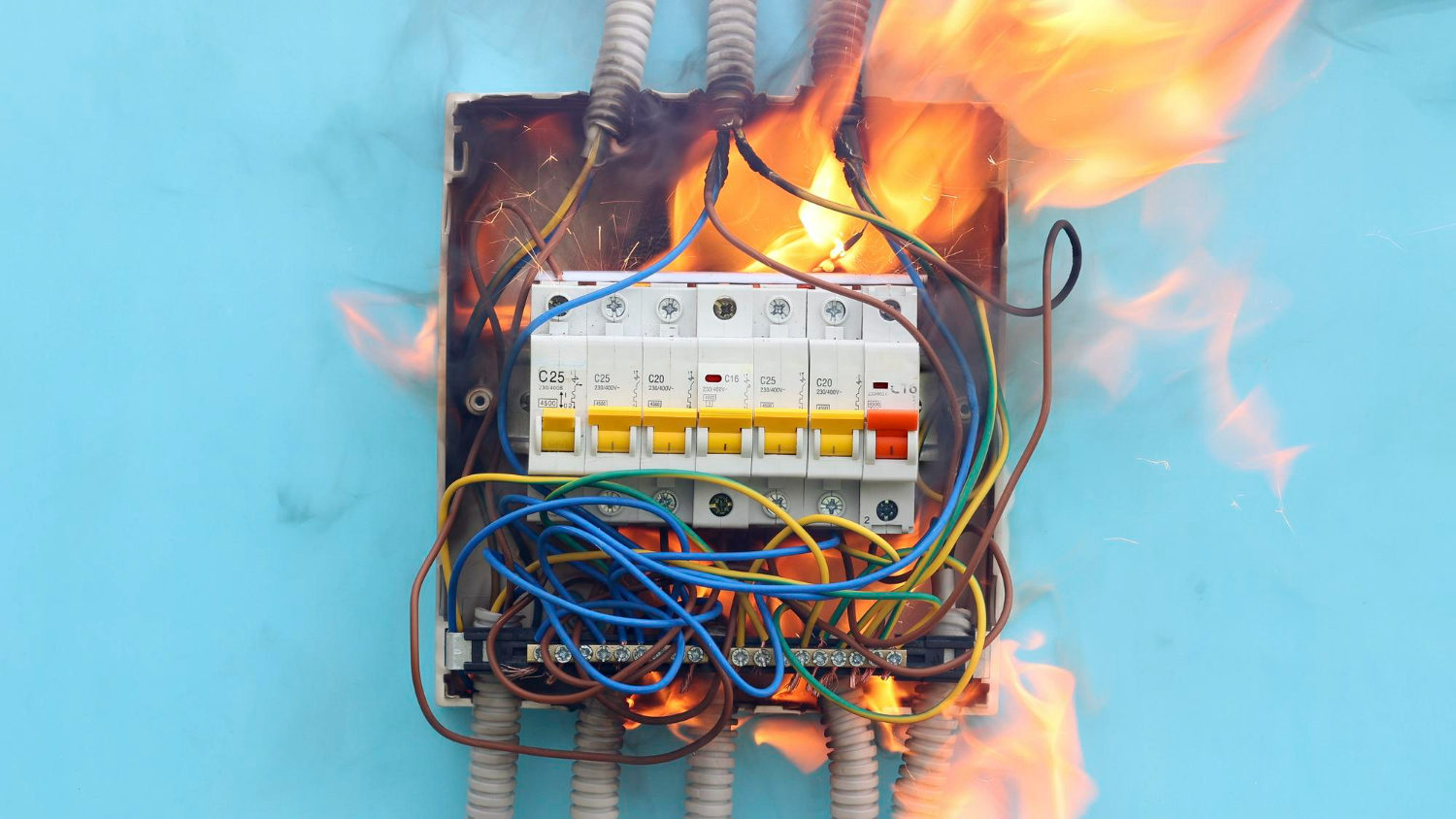
Don’t wait around hoping it will calm down. Immediately evacuate everyone out of the property and call 000 for fire emergency services in Sydney. At this point, electrical fault is not the main concern anymore.
Fire spreads faster than you think. Don’t try to put it out yourself, and never use water on an electrical fire.
Once the fire services are on the way and everyone is safe, you can call a 24/7 emergency electrician in Sydney to deal with the electrical damage.
When you call for urgent help, your electrician will need reliable information to act fast and safely. So keep these details noted:
The clearer you are, the faster your electrician can respond. For more local expertise on how to call for help, see our detailed emergency electrician inner west Sydney guide.

Before you let anyone touch your wiring, make sure they are properly licensed in NSW. A licensed electrician is trained to handle emergencies safely and legally.
You can quickly check their licence online through the NSW Fair Trading Licence Search tool.
If they can’t provide a licence number or avoid the question, that’s your cue to stop.
Shortcuts with cheaper electricians will get you nowhere if you are still at risk. So always question the electrician before hiring them, even in an emergency.
Reputable firms will provide fixed quotes. However, the cost will depend on the time of the emergency and the nature of the fault.
In general, you can expect electrical services to cost around AUD 50-150 during daytime hours, but emergency/after-hours jumps to AUD 150-300+ to cover travel, urgency, and availability.
For a safety partner in your hour of crisis, call a licensed and insured emergency electrician at Impulse Electrical Enterprise. We are on call day and night to handle emergencies, urgent repairs, or unexpected power issues 24/7. Call 0481 228 836 for an instant quote or call out.



Monday - Friday
Open 24 hours
Saturday
Open 24 hours
Sunday
Open 24 hours


For instant quote or call-out


