
 Available 24x7Available 24x7
Published: October 26, 2026
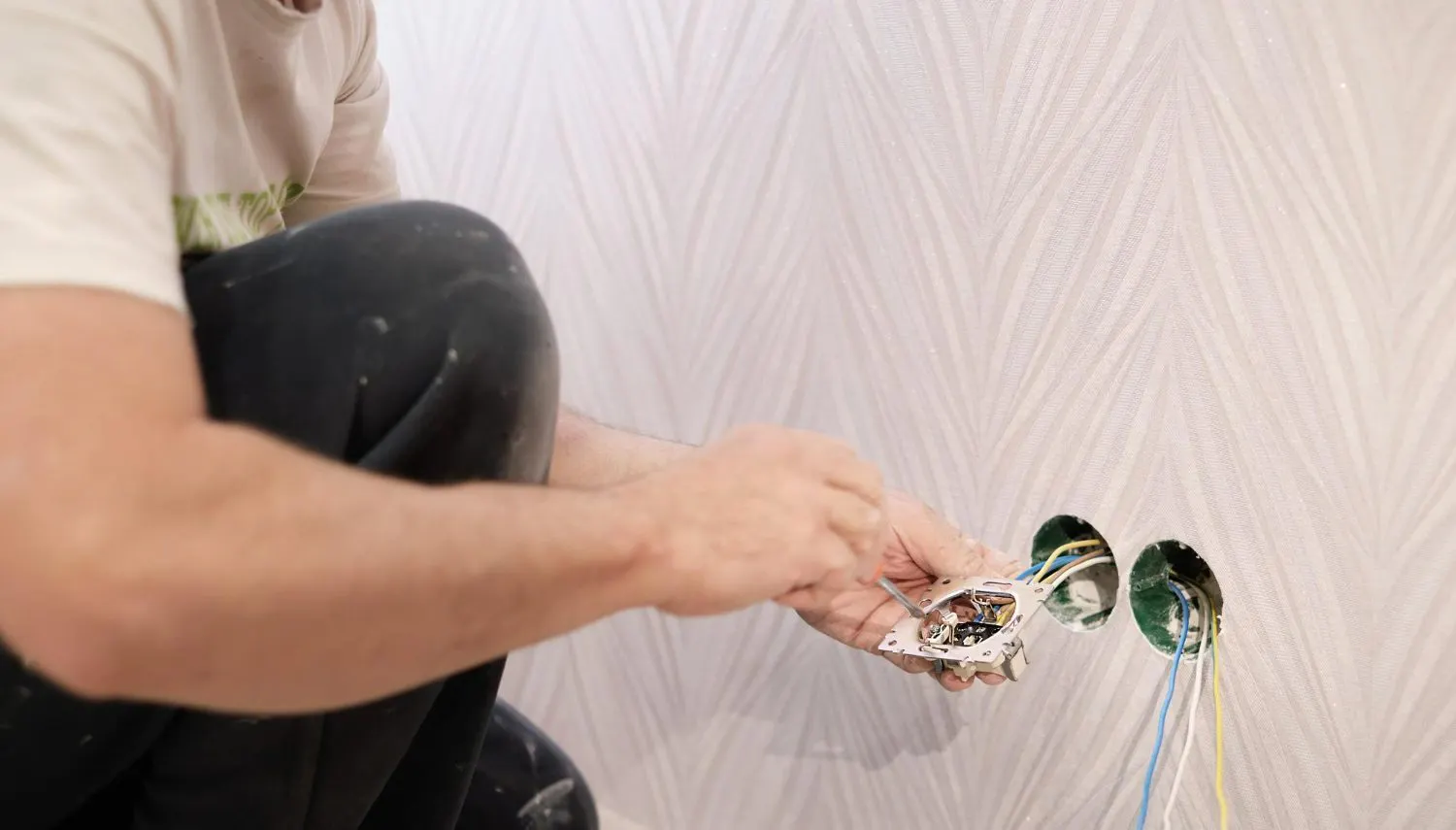
A quick overview before you dive in:
You don't need to remove whole sheets of plasterboard to rewire a house. Wherever there's access, new cable can be run through the roof space, under the floor and inside wall cavities, so openings in walls and ceilings are kept to a minimum. Some small openings are still needed, and how many depends on how your home is built and how easy it is to get into.
Here are the six methods electricians use, and what each one means for your walls. When we plan house rewiring at Impulse Electrical Enterprise, we inspect first and talk you through the cable routes and where openings will be needed before any work starts.
Where there's an accessible roof space, new cable can be run across the ceiling and dropped down inside the walls to each light, switch and power point. The cable stays hidden, and the walls below need little or no cutting. Roof space work near old wiring is a job for the electrician, so don't go up there to prepare for the work.
In homes with a raised floor and subfloor access, cable can be run underneath the house and fed up into the walls from below. This is useful where the roof space is tight, or for power points low on the wall. The same goes for the subfloor: leave it, and any old cables there, to the electrician.
Where walls are hollow, the electrician can feed new cable through the cavity with flexible rods or fish tape, working from small access points near switches and power points. Care is needed around framing and plumbing, which is one reason the cable routes are planned at the inspection. Some older homes have solid brick or masonry walls with no cavity to feed cable through. In those walls, the cable may need to run in suitable surface-mounted electrical ducting, or in a narrow channel cut into the wall (a chase), which may then need making good, such as rendering, plastering and painting. Your electrician can tell you at the inspection which applies to your walls.
Sometimes the cable can't get past a beam, a nogging or another obstruction without a small opening. These openings are kept as small as possible and placed only where they're needed to guide the cable through.
Some older homes have asbestos in wall and ceiling sheeting, so don't cut or drill into it yourself. If we find asbestos during a rewire, you can engage your own appropriately licensed asbestos removalist, or we can help coordinate a suitable specialist, and we'll talk you through your options before the work continues.
In some homes, the old cable runs in conduit or along a clear path, and the electrician may be able to use it to pull the new cable through. This depends on the condition of the old run, so it isn't always possible.
Where there's no practical way to hide the cable, it can be run along a wall or ceiling inside protective trunking. Surface-mounted cabling in trunking can meet the wiring rules (AS/NZS 3000) when it's installed correctly, and modern trunking is designed to be neat. If your home is a heritage item or in a heritage conservation area, check with your council before adding visible cabling or fittings.
Even with careful planning, some small openings may be left where the cable had to pass through. Patching, rendering, plastering and painting aren't included in our rewiring prices, but we can recommend a tradesperson if you need one. Ask any electrician you're comparing whether making good is in their quote, so you're comparing like with like.
If you've been putting off a rewire because you're worried about your walls, ask your electrician which of these methods suit your home and where openings will be needed. For the warning signs, the rules a rewire must meet and what it costs, see our guide to rewiring an older Sydney home, and for the full sequence of the job, our guide to how an old house is rewired.
Usually, yes. The power goes off only in the part of the house we're working on, and only while we're working there during the day, so you'll have power back each evening.
Not where they can be run through the roof space, under the floor or inside wall cavities. Cable is only visible where it has to run in surface-mounted trunking, and we'll talk you through where that's needed before any work starts.
We're based in Strathfield and offer house rewiring across the Inner West and greater Sydney. We inspect first, plan the cable routes with you and give you a fixed price before any work starts. Call 0481 228 836 or request a free quote.

Founder and Director