
 Available 24x7Available 24x7
Published: October 26, 2026
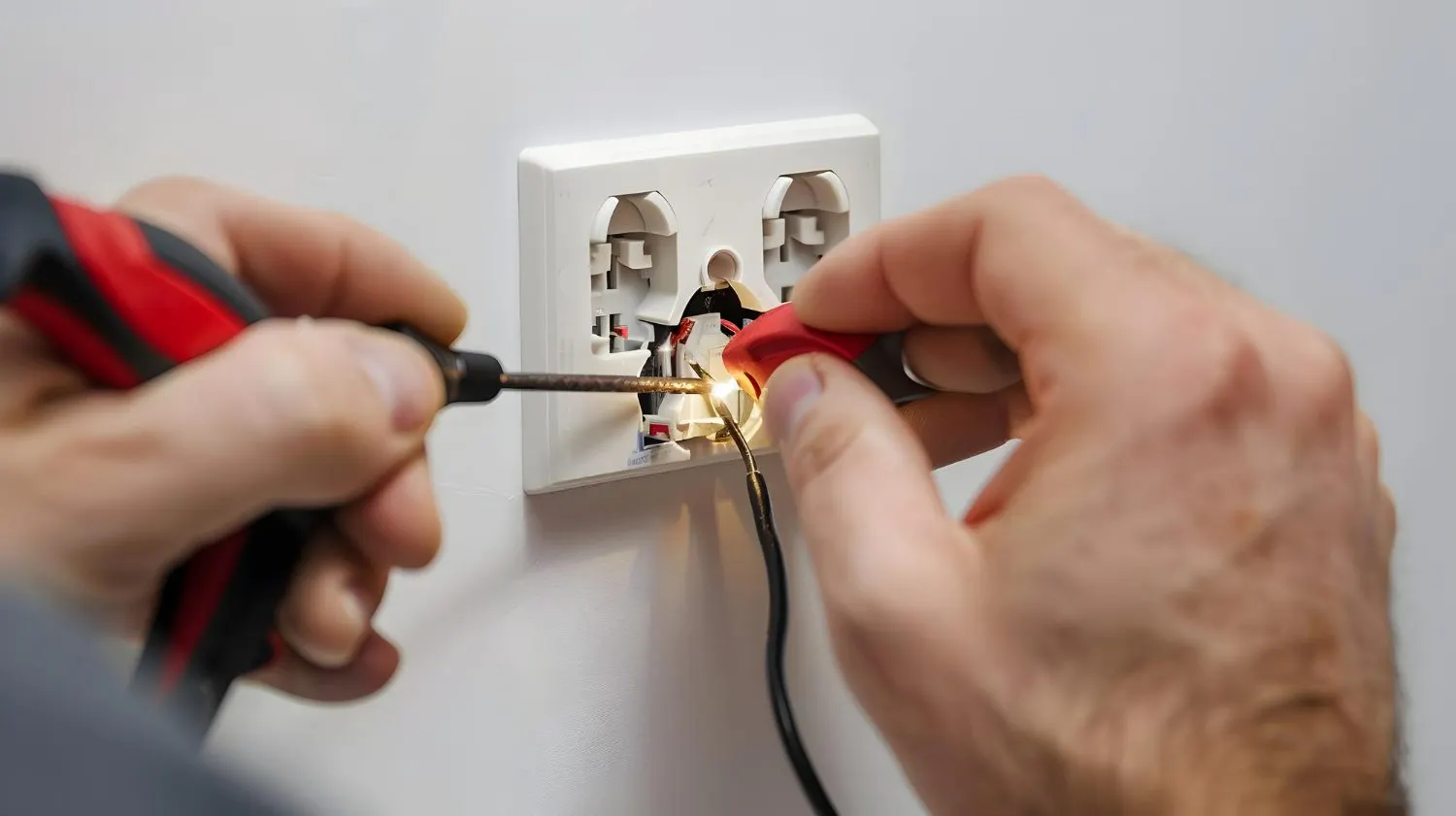
A quick overview before you dive in:
Old or damaged wiring can wear to the point of exposing live wires, so if your home still has its original wiring, it's worth having it checked. Not every older home needs a full rewire, though. An inspection shows whether the home needs a full rewire, a rewire of one area, or no work yet.
If it does need rewiring, the job follows five steps: an inspection and quote, planning, running the new cable, connecting the switchboard, and certification. Here's what happens at each one when Impulse Electrical Enterprise rewires an older home in Sydney.
Every rewire starts with a look at the existing wiring, the switchboard and how the cable runs through the house. In older homes, this is where rubber-insulated (VIR) or cloth-covered cable, missing earthing or an old ceramic fuse board show up. The inspection also shows where cable can run through the roof space and under the floor. You then get a fixed price before any work starts. For typical prices by home size, see our guide to how much it costs to rewire a house in Sydney.
Good planning keeps the job moving and avoids changes halfway through. While the electrician is working in your roof space and wall cavities, it's a good time to add extra power points and to plan for future loads, such as an EV charger. Agree on these before the quote is finalised.
This is also when you choose between a full and a partial rewire. Where the inspection finds the rest of the wiring in good condition, replacing the wiring in just one part of the house, such as the kitchen or an extension, may cover what's needed.
Rather than cutting channels through every wall, the electrician runs new cable through the roof space and under the floor wherever possible, and feeds it through wall cavities from small access points. Some openings can't be avoided, for example where a wall has no cavity, but they're kept as small as possible. Our guide to rewiring with minimal wall damage explains each method.
Patching, plastering and painting aren't part of the rewiring price, so ask about them when you compare quotes. We can recommend a tradesperson if you need one.
Once the new circuits are run, they're connected at the switchboard. In an older house, this often means a switchboard upgrade as well, replacing old ceramic fuses with circuit breakers and safety switches (RCDs). A switchboard upgrade is quoted separately: a full board replacement typically costs $1,200 to $4,000+ + GST, assuming suitable existing wiring and reasonable access to the board, with extra work quoted separately and the price confirmed in a free, fixed quote.
Some older switchboards are mounted on a backing panel that contains asbestos, and some homes have it in wall or ceiling sheeting. Leave old switchboard panels and wall or ceiling sheeting alone rather than drilling, cutting or sanding them before the work. If we find any, you can engage your own appropriately licensed asbestos removalist, or we can help coordinate a suitable specialist, and we explain your options before the work continues.
Once the job is complete, you get a Certificate of Compliance for Electrical Work (CCEW). NSW electricians must submit these to show the work complies, and since 1 July 2026 they're lodged through the Building Commission NSW eCert portal, which can email a copy straight to you. File it with your property documents, as your insurer or a future buyer may ask for it.
For a straightforward three bedroom home with good access, a full rewire usually takes about two to three days, and a smaller partial rewire can often be finished in about a day. A second storey, difficult roof access or a long list of new power points can add time, so you get a timeframe with your quote. You can usually keep living at home: the work moves through the house one section at a time, and the power is normally back on each evening.
Older houses hold more unknowns: brittle cable, asbestos, missing earthing and tight access. Old cable isn't only found in houses. At a church in Ashfield in July 2026, we replaced old rubber-insulated (VIR) cable, corrected the switchboard wiring and ran new circuits for eight ceiling fans and two pendant lights, with a spare circuit for later. Older homes and terraces also often have original features to work around, so we plan the cable routes carefully and talk you through them before we start.
Yes, where it's practical and electrically safe. The work can be split by room or by circuit, such as lighting, general power and the oven, cooktop and other appliance circuits, across separate visits to spread the cost, although it may not lower the total. Any dangerous wiring has to be fixed or safely isolated straight away rather than left on until a later stage, and the inspection sets which parts need work first.
Yes. A partial rewire is still electrical wiring work, so you receive a CCEW for it, just as you would for a full rewire.
We're based in Strathfield and rewire older homes, terraces and units across the Inner West and greater Sydney. We're licensed and insured, and our director, Matthew Neil, supervises every job. Call 0481 228 836 or request a free quote and we'll walk you through what's involved before we start.

Founder and Director