
 Available 24/7Available 24/7
Published: November 05, 2026
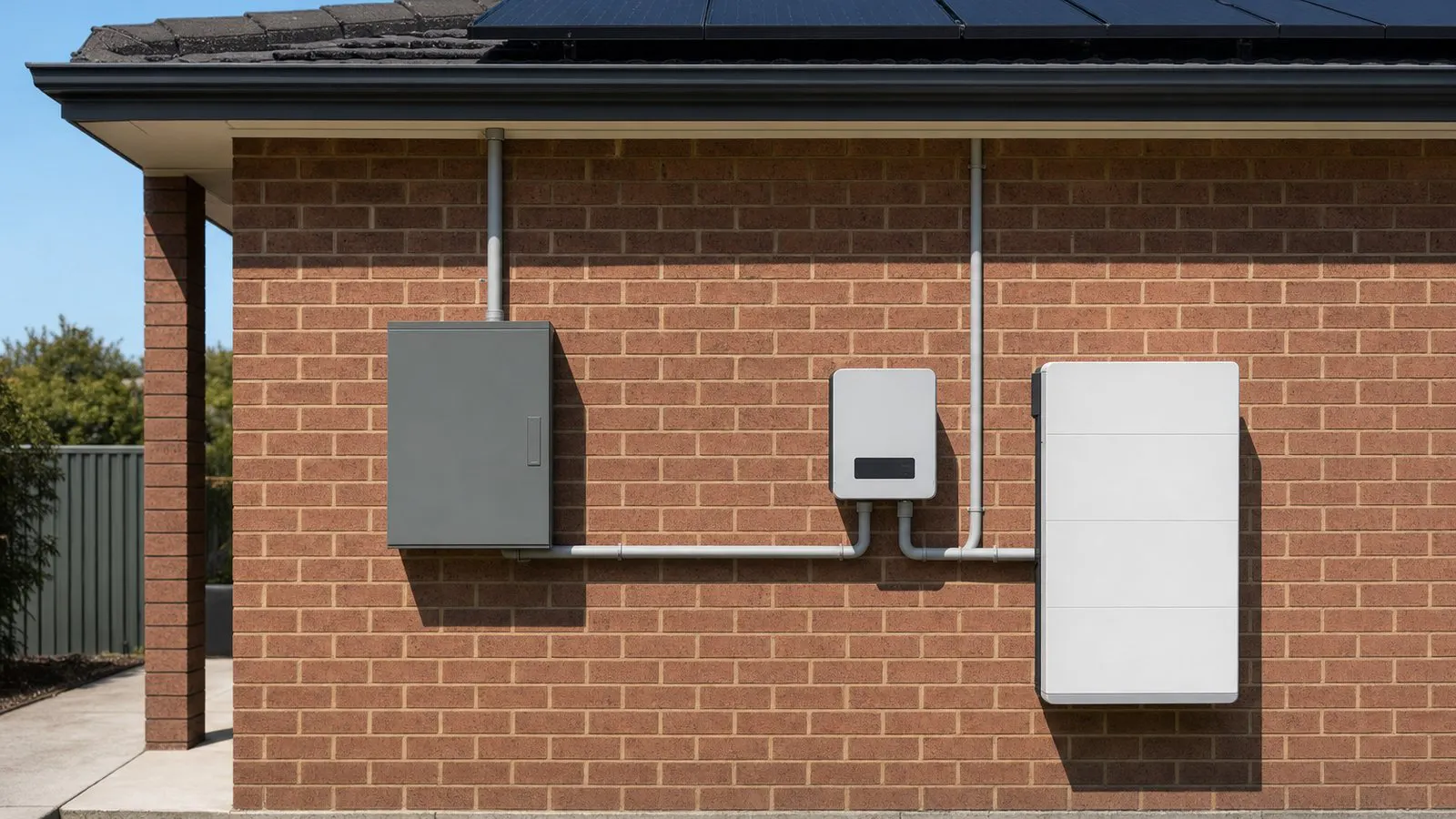
A quick overview before you dive in:
The home battery rebate changes of 2026 affect the maths for anyone in Sydney planning a battery. Since May 2026, the discount per kilowatt hour is lower for every battery, larger batteries earn less for each extra kilowatt hour, and the discount steps down again every January and July, with the next drop in January 2027. If you're planning a battery, it's worth finding out early whether your switchboard can take it, because a board that needs upgrading can hold up the install.
We're Impulse Electrical Enterprise, a Sydney electrician based in Strathfield. We don't install batteries, but we upgrade the switchboards they connect to. We're licensed and insured, and our director, Matthew Neil, supervises every job. This guide explains the rebate in plain terms and what to check on your switchboard. Rebate rules change, so check the current figures with your installer before you sign anything.
The federal Cheaper Home Batteries Program gives you an upfront discount on an eligible home battery. It works through small-scale technology certificates (STCs): your installer or their agent claims the certificates and takes their value off your price. According to the Clean Energy Regulator, to be eligible a battery must:
In NSW, the state government's own battery installation discount for homes is no longer available, so the upfront discount for homes now comes from the federal program. The NSW Government does offer a separate incentive for connecting your battery to a virtual power plant (VPP) for batteries up to 50 kWh, which can be combined with the federal discount. Your VPP provider checks whether you're eligible.
Three changes matter for anyone planning a battery now:
The dollar value also moves with the market price of STCs, so your installer's quote is the only reliable figure. The discount depends on when your battery is installed, so if your switchboard needs upgrading, getting it done early means it won't hold up an install you want finished before the next step-down.
Your battery installer designs the system, supplies the battery and inverter, and applies to your network to connect it. Ausgrid says the installer submits a connection application on your behalf, and the work goes ahead once it's approved.
The installer will also look at your switchboard, because the battery and inverter connect into it. If the board is old, full or unsafe, they may tell you it needs an upgrade before they can go ahead. That part is a job for a licensed electrician like us, and it can be done before the battery installer arrives.
A switchboard doesn't need to be brand new for a battery, but these signs usually mean it needs attention first:
If you're not sure what you're looking at, our guide to old switchboard warning signs shows the common problems. Don't open the switchboard cover yourself, and don't drill, cut or disturb a backing panel that may contain asbestos.
We check your switchboard when we quote and tell you straight away whether it needs work. If it does, a typical upgrade replaces the old board with a modern one that has safety switches on the circuits and room for the battery system. We arrange the network paperwork and any Level 2 work the upgrade needs, with that cost shown in your quote, and you receive a Certificate of Compliance for Electrical Work (CCEW) when we finish. For a typical home, the power is off for about three hours to a full day, depending on the work.
Switchboard upgrades start from $1,200 + GST. Most jobs fall into one of three ranges, and we confirm your price in a free, fixed quote before any work starts:
Type of upgrade | What it usually covers | Typical price |
|---|---|---|
Full board replacement | A new board with safety switches and circuit breakers | $1,200 to $4,000+ + GST |
Expanded capacity, solar and EV ready | A larger board with room for solar, a battery or an EV charger | $4,000 to $7,000+ + GST |
Three phase upgrade | A change to three phase power, with network approval | $7,000 to $11,000+ + GST |
Our guide to switchboard upgrade costs explains what moves a job between those ranges. If you're adding a battery and an EV charger, it's also worth reading about single or three phase power before you decide how big the upgrade should be.
No. We don't install batteries or solar systems. We upgrade switchboards so they're ready for the battery your installer fits, and we book a day that suits you, so the upgrade can be done before the battery goes in.
Not always. A modern board with room for new circuit breakers and safety switches may only need minor work. An old fuse box, or a board that's already full, usually needs upgrading first. We check this when we quote.
The Cheaper Home Batteries discount is worked out from the battery's capacity, so switchboard work isn't part of it. Your switchboard upgrade is quoted separately, as a fixed price before we start.
Not under the federal program. The Clean Energy Regulator says the battery must be installed with a new or existing rooftop solar system, and the NSW Government's own home battery installation discount is no longer available.
Send us a photo of your switchboard and tell us what you're planning. We'll check whether it needs work and give you a free, fixed-price quote before anything is booked. Call us on 0481 228 836 or request a free quote.

Founder and Director