
 Available 24/7Available 24/7
Published: November 05, 2026
A quick overview before you dive in:
The Solar Sharer Offer in NSW gives eligible households three hours of free electricity in the middle of the day, every day. It started on 1 July 2026, it's opt-in, and you need a smart meter, but you don't need solar panels. Whether it saves you money depends on how much of your power use you can move into that window, and on what the rest of the plan charges.
This guide from Impulse Electrical Enterprise, a Sydney electrician based in Strathfield, explains how it works and how to make the most of it, especially if you charge an electric vehicle at home. We're licensed and insured, and our director, Matthew Neil, supervises every job. We're not an energy retailer, so compare plans with your retailer or on the government's Energy Made Easy website before you switch.
Free hours sound simple, but the plan still has its own rates for the other 21 hours of the day. The AER notes that if you shift some use into the free period but use more at other times, you could end up with a higher bill overall. Before you switch, look at:
If you have solar panels, your panels may already cover much of your midday use. The offer can still help if your system is small, or if you have loads big enough to use more than your panels make.
The trick is to move your biggest loads into the 11am to 2pm window and keep them there. Most of these need nothing more than a timer or an app:
All of these are settings you can change yourself. Don't open up a hot water system, switchboard or appliance to rewire a timer: that's electrical work for a licensed electrician.
If your electric storage hot water isn't heating properly at the times it should, we also do electric hot water repairs.
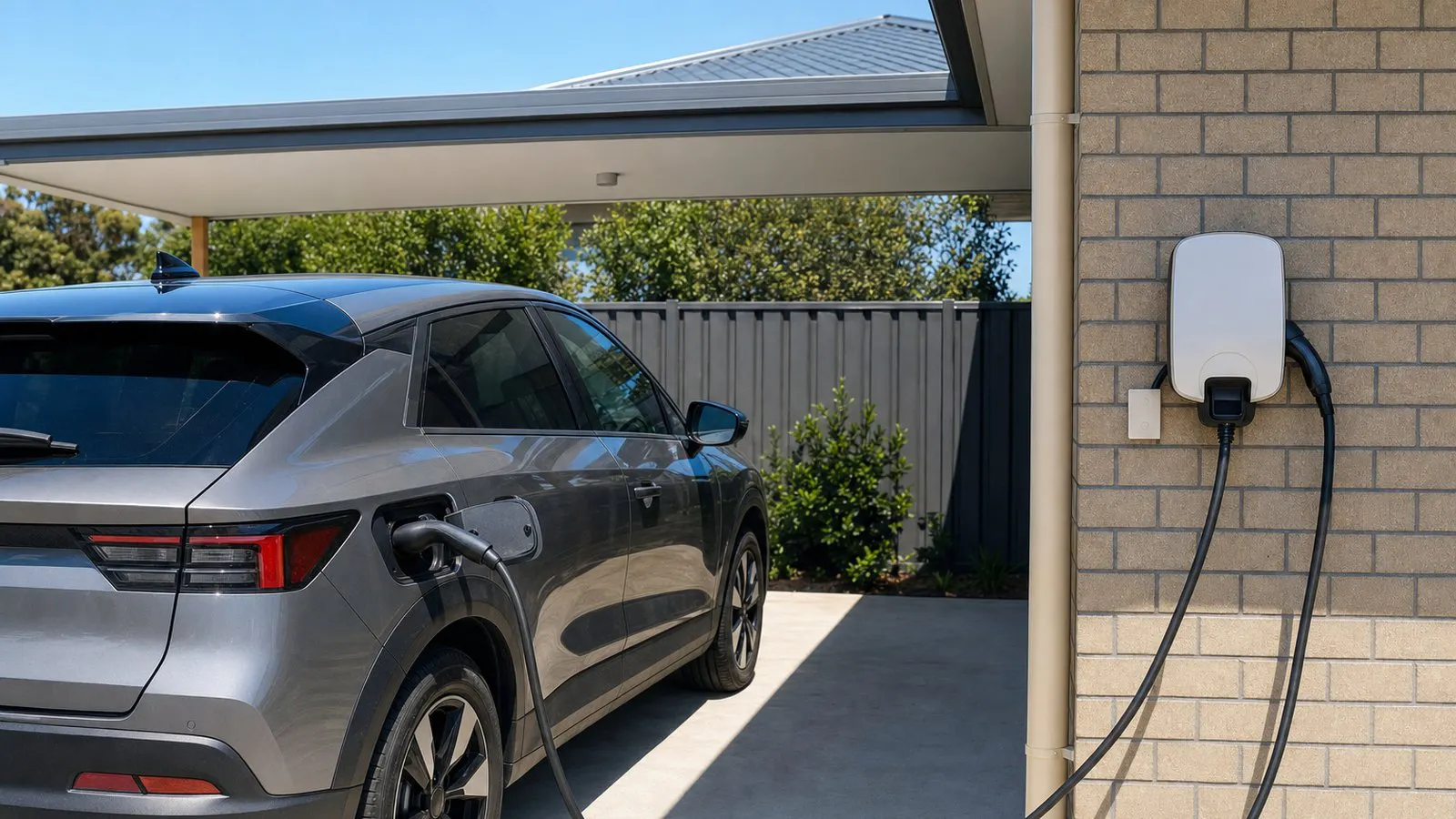
Charging an EV from a standard power point is slow, so a portable cable may not add much charge in a three hour window. A wall charger gets far more out of it. A single phase charger runs at up to about 7 kW, which can use most of the 24 kWh free limit in three hours. A three phase charger can run faster if your home has three phase power and your car can accept it, but the free limit stays at 24 kWh a day, so a faster charger mainly helps if your car is only home for part of the window. Our guide to charging an EV at home explains the difference.
We supply and install home EV chargers from Tesla, Ocular and Zappi, or install a compatible charger you've already bought. Single phase installation starts from $1,050 + GST, and the charger is extra if we supply it. Many EVs and app-controlled chargers let you set a charging schedule, so check your car's app or your charger's app. If your charger has an app, we set it up and show you how to use it when we install. You can get a quick idea of the cost for your home with our EV charger cost estimator.
If you're thinking about a wall charger so you can make the most of the free midday power, we can check your switchboard and give you a fixed price. Call us on 0481 228 836 or request a free quote.

Founder and Director